
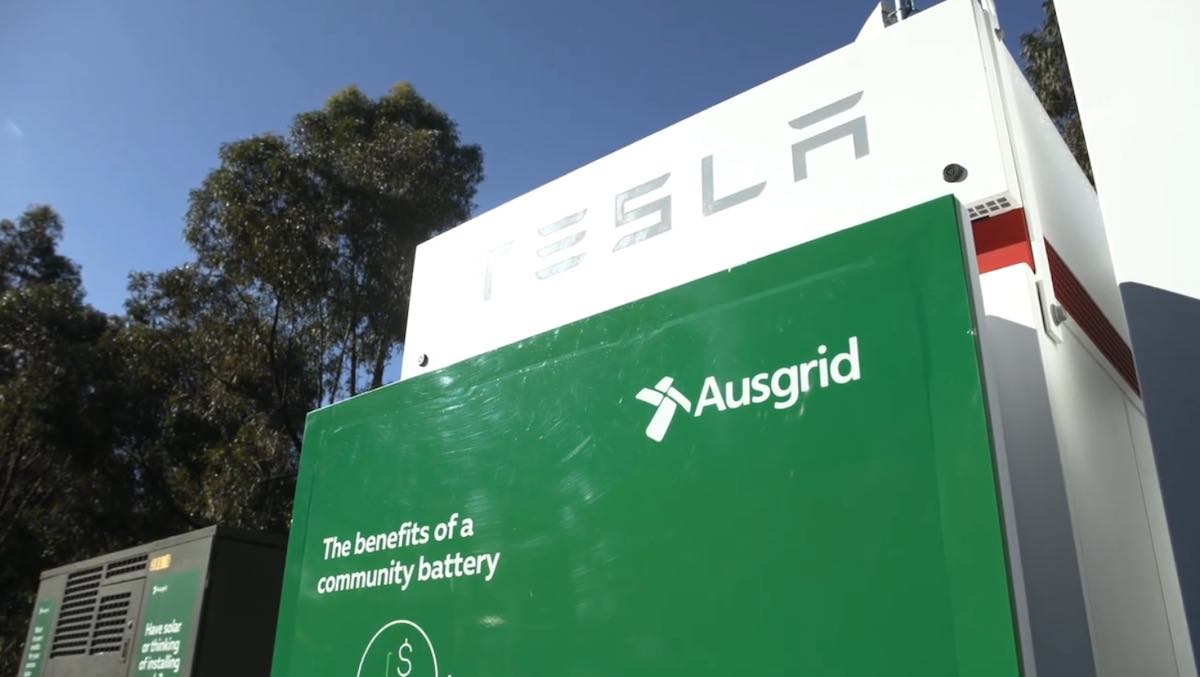
To power Australia without fossil fuels will mean using batteries to store power from solar and wind. We often think this means home batteries – or large grid-scale installations.
There’s another size too: community-scale or neighbourhood batteries, which are growing rapidly in Australia due to support from state governments like Victoria and Western Australia and, more recently, from the federal government. They seem to solve a lot of problems we know people are concerned about – such as enabling more rooftop solar and helping to speed up a transition to renewables.
But the popularity of these batteries shouldn’t be the only factor in decisions about where they are rolled out. Sometimes – and in some parts of the grid – they make sense. At other times, they may not be the best solution.
Our research explores when community batteries are – and are not – useful. In short, we find the main use of these batteries is to make the grid able to handle more solar and electric vehicles. But they’re not the only option. This is why we have produced a decision-making tool for policymakers to figure out where and when these batteries are worthwhile.

Yarra Energy Foundation, CC BY-SA
What exactly is a community battery – and why is the idea popular?
Think of a community battery as like a neighbourhood asset – battery packs similar in size to a 4WD that can store locally produced solar or help serve local electric vehicle charging.
The idea is for these batteries to reduce carbon emissions and energy bills while benefiting all energy users nearby, rather than only those with access to rooftop solar. These are great ambitions – small wonder they’ve proven a hit.
But the success of these batteries is far from certain.
Over the last four years, our research has found two areas we have to fix to maximise the chances these batteries actually do what we want them to do.
First, we need greater clarity on how we decide whether community batteries are a good investment.
Second, we need better measurement and evaluation of what these batteries actually contribute to the grid and to energy users.
Why does it matter? Making sure neighbourhood batteries deliver what they promise is particularly important because they have generated so much public interest and excitement.
If they don’t work, they could undermine public support for collective solutions – the type of solutions we know are more efficient and equitable than households going it alone.
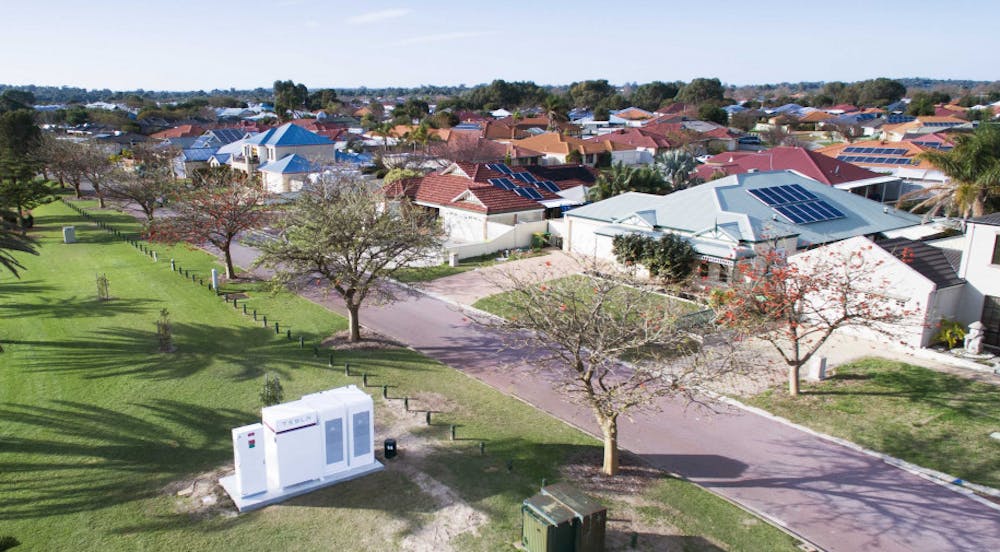
Western Power, CC BY-SA
Why put batteries into communities at all?
Batteries will play a crucial role in getting us towards our goal of 82% renewables by 2030. One way they can do this is by storing energy from solar and wind for later use.
Surprisingly, this doesn’t necessarily mean emissions will go down. Recent research has shown that if batteries are run to maximise profits, they could actually increase emissions by charging from coal power. By contrast, if they are run to maximise the use of solar and wind, they could contribute to lowering emissions.
What batteries do better than any other technology, however, is to provide (or soak up) power at extremely short notice to tide the grid through sudden shocks, such as the storm knocking over a transmission line or a coal-fired power station exploding.
But batteries can do this from anywhere on the grid. So the real question is: why put batteries into our suburbs and small towns at all?
In a new discussion paper, this article’s lead author argues the primary purpose of community batteries ought to be addressing constraint in the local electricity grid. This reiterates a consistent finding from our research.
While this sounds reasonable, community batteries aren’t the only option to fix local grid issues. That means we should only turn to them where they are clearly better than the alternatives, such as upgrading transformers.
What about storing solar and shoring up the grid? These tasks may be done more efficiently and with less environmental impact with grid-scale batteries, pumped hydro or electric vehicle batteries.
And what about sharing the benefits of solar with people who can’t afford an array or who have nowhere to put one? While this vision is in line with public sentiment, the complexity of the privatised energy system makes it very difficult to redistribute financial benefits.
Community batteries are also no panacea for the desire of people to see and be included in national planning for the decarbonisation transition. An inclusive planning process can address uncertainties in how the transition will affect us and our communities and ensure it upholds public values.
Time will tell if the newly announced Net Zero Authority will deliver this.
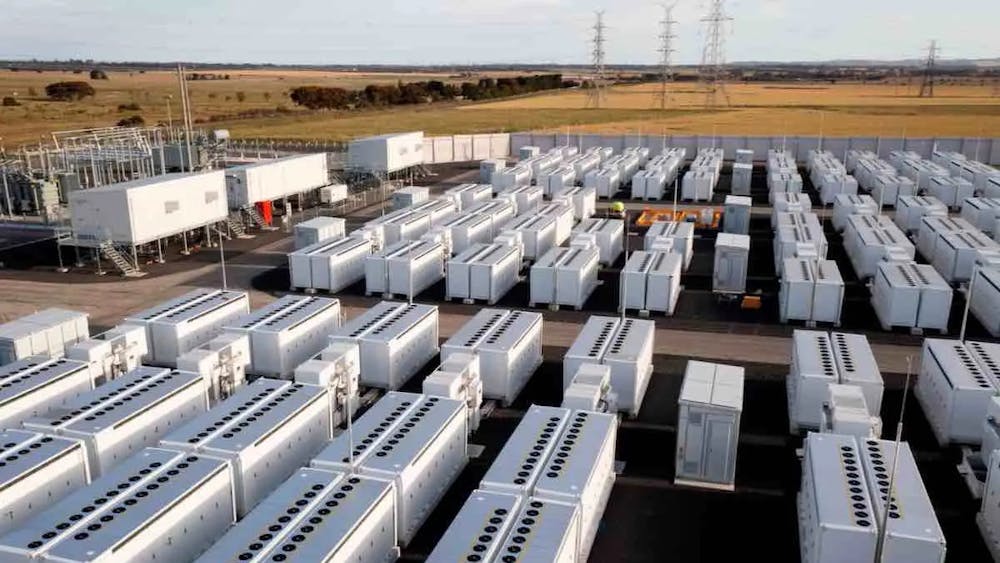
Neoen, CC BY
Build these batteries only when warranted
So does this mean we should avoid community batteries altogether? No – but it does mean we should carefully track and evaluate these projects to see where they work best.
To help with this, several of this article’s authors developed a framework to figure out what impact these batteries have on the clean energy transition, how to do it with social acceptance and good oversight, and to do so in a way which is economically beneficial.
Community batteries are not a silver bullet, but they do have promise. Used wisely, they could help accelerate the transition away from fossil fuels while reducing network costs.
To make the most of them, we need to understand how and where these batteries will best serve the work of building a just, reliable and sustainable energy system. 
Bjorn Sturmberg, Senior Research Fellow, Battery Storage & Grid Integration Program, Australian National University; Alice Wendy Russell, Research fellow, Battery Storage and Grid Integration Program, Australian National University; Hedda Ransan-Cooper, Senior Research Fellow, College of Engineering and Computer Science, Australian National University; Louise Bardwell, Research Assistant, Battery Storage and Grid Integration Program, Australian National University, and Marnie Shaw, Associate professor, Australian National University
This article is republished from The Conversation under a Creative Commons license. Read the original article.