
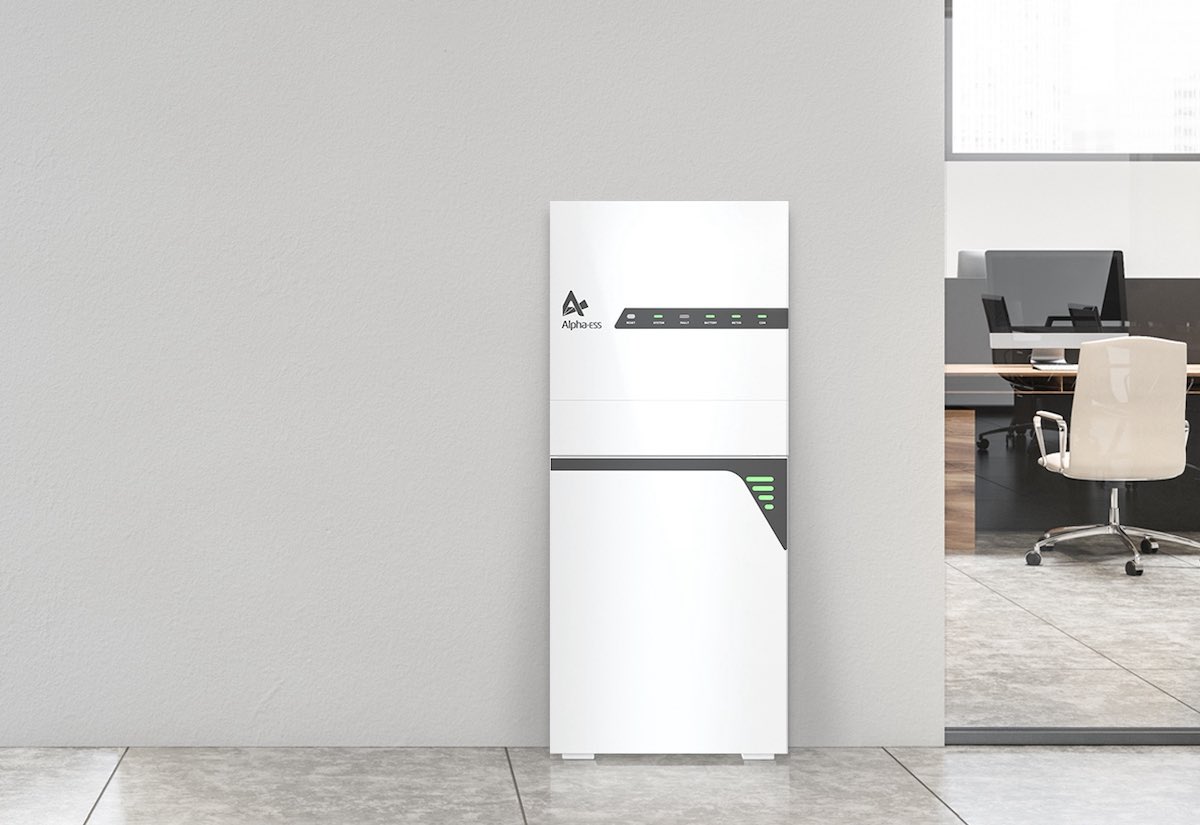

Labor’s Cheaper Home Batteries Program only begins in July, but a promise that Australians can get a battery now and claim the rebate later has triggered a rush on installers.
There’s just one problem: the rebate technically doesn’t exist yet, and neither does the fine print. Here’s why you should tread carefully.
Retrospective rebate risks
The scheme is only set to kick off July 1, but Labor has promised that it will retrospectively apply to batteries installed since the plan was first announced during the election … provided you don’t turn the battery on.
One of the many questions yet to be precisely defined is what “turning it on” exactly means: is it the first time the battery is being properly used, or does it even include a standard test by the installer to see if the battery is actually working?
We don’t know the fine detail you’ll need to get a firm quote, but that’s not stopping brave retailers from making exceptional offers.
The operative word means either they’re overconfident, desperate for cashflow or relying on fine print exclusions to sign up unsuspecting or excited customers.
The devil is always in the detail, so if you go early, you or your solar retailer need to accept some risk.
Labor’s plan is to present an exposure draft of the new regulations and offer two weeks consultation during May or June. Once the details are locked in, Bowen or potentially a new energy minister can sign off and we’re all good to go for July 1.
The program is based on the use of Small-scale Technology Certificates (STCs), using the administrative infrastructure, digital platforms and mental furniture of the existing solar panel rebate we all know and love.
With no legislative change, there’s no risk of diabolical delays because nobody in the Senate gets to apply any ideology. A simple change in regulation, signed by a newly minted minister, is all that’s needed.
The industry is getting ready
If you are keen to try and get a battery installed before July 1 and still claim the rebate, the industry is working out solutions.
Sigenergy has already organised a software fix so their “all-in-one” hybrid system can be physically assembled with the battery in place, but the battery itself can be locked out.
Other hybrids can have the battery physically disconnected or isolated, however it will vary by model or brand as to whether the software activation can be managed remotely, or if an electrician needs to attend the site after July 1st to reconfigure whatever is needed.
Formbay – one of the key platforms for managing STC claims – has opened the door to start “creating” battery jobs and collecting site data alongside the existing processes needed to claim STCs for solar. They’re getting ahead of the game by offering both claims in parallel.
Your installer can do all the work, but shouldn’t commission the battery system or submit a claim yet.
There will be double the usual administration but it should work like this:
- Battery STC jobs must be submitted separately from solar ones (for now)
- Installers will be able to commission the solar straight away and activate the battery later
- Installers will need two lots of evidence, paperwork and data collection
- Battery STC jobs must remain “in progress” until July 1
Other unanswered battery rebate questions
- Batteries must be at least 5kWh, but the battery-to-solar size ratio is yet to be determined, with preliminary discussions underway aimed at preventing large batteries being sold for installations with little solar.
- We don’t know how solar will be claimed for a battery system that isn’t technically commissioned. Pragmatism says it’s on site and connected, but it’s a question we’re seeking clarification for.
- For folks in NSW, time and resources have been devoted to refining NSW’s scheme to harmonise with the federal rebate, including consideration of whether to remove NSW’s 28kWh cap, but until NSW updates its rules you can’t currently claim both the federal battery incentive and the state’s rebate.
Should you install your battery now?
One consideration is reports that installers are already jacking up prices in response to the rebate. So if you’re thinking of installing a battery now and just flicking it on late, it’s quite feasible. The government has told us this is the aim.
Some installers may ask the customer to pay the full price now, and refund the rebate after it comes through.
This isn’t unreasonable, as cashflow is going to be a real concern to small and medium enterprises who are ordering lots of expensive stock to meet this new demand.
A number of installers are worried this will turn into another “debacle” seen with the NSW state incentive – where arduous compliance and government audits tie up cash and throttle how many systems can be done each day.
Right now, there’s no confirmation from the Clean Energy Regulator about how many federal rebate battery jobs an installer can claim per day, but solar STC rules currently limit a qualified installer to signing off no more than two jobs daily.
In any case, I would be dubious about deals offering the incentive up front, because the business willing to take that risk might not be one that’s thinking about long-term profitability.
Find out exactly what you need
There’s every chance this program will be a boon eventually. But right now, it’s better to measure up. Inquiring minds can use their own utility meter data to calculate the exact battery capacity needed.
Or start with our list of the best batteries to install under the rebate, check it against our rebate calculator, and find out where you can actually install it.
The market is excited. There’s talk of surging demand, and some forecasts predict big growth in large home and commercial systems.
For now, we are watching closely and will offer updates as they come to hand. Stay tuned.
This article was originally published by SolarQuotes. Reproduced here with permission. Read the original version here.