


Australian buildings hoping to achieve the gold standard for sustainability will now have to ditch gas, as part of a major overhaul of the Green Building Council of Australia’s Green Star rating system.
The GBCA on Thursday announced the push to “eliminate natural gas” from construction with the launch of its new Green Star Buildings rating tool, which requires buildings to be fossil fuel free and 100% renewable powered to achieve the highest possible 6 Star rating.
The Green Star rating system was launched by the GBCA in 2003 as an independent and voluntary certification system that assesses the sustainability of construction projects across all stages of their life cycle.
Since its launch, Green Star rated buildings have been recognised as having a much higher standard of sustainability, comfort and energy efficiency than buildings that simply comply with the easily-gamed energy efficiency requirements mandated by the National Construction Code.
But in 2020, the GBCA wants to raise the bar even higher, and drive the transformation of buildings to net-zero at scale.
“With buildings accounting for one-quarter of Australia’s carbon emissions on average, Green Star Buildings is the rating tool we need to achieve the level of change our nation and our future generations need,” said GBCA CEO, Davina Rooney.
“There is overwhelming support from industry to eliminate carbon emissions from buildings and construction to meet our obligations under the Paris Agreement, prevent assets becoming stranded and, ultimately, put a stop to unsustainable changes to our climate.
“The bushfires and Coronavirus pandemic have shown us that our buildings need to be more resilient to changes in climate and more focused on the health of people,” Rooney said.
“Green Star Buildings responds to these challenges in very practical ways introducing, for example, a new filtration requirement to help clean the air that we breathe and reduce the risk of disease spreading.
“It is a timely and necessary response to a rapidly evolving risk environment. Certification under the new tool will set projects apart, enhancing their enduring value through increased resilience.”
The GBCA said it had been fine-tuning the Green Star Buildings rating tool – the first of a new suite of Green Star Future Focus tools – for some time, consulting closely with a broad range of industry and government stakeholders.
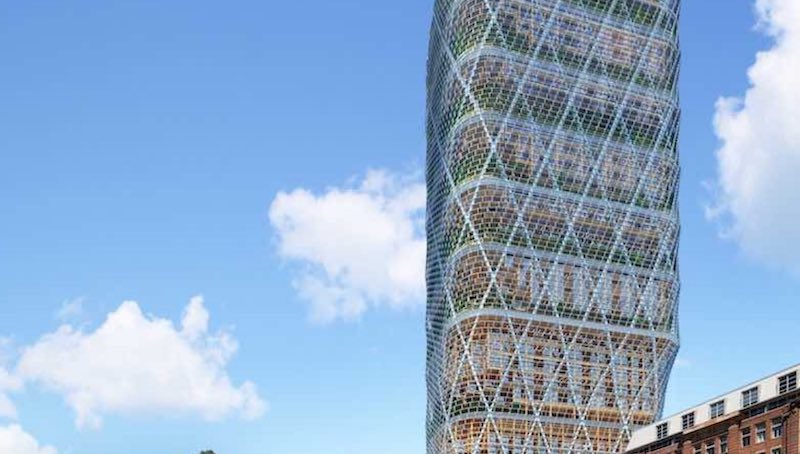
And to test how it will work in practice, it has been rolled out early to a number of “prominent” construction projects, including the hybrid timber, steel, and solar-glass skyscraper being built to house the new headquarters for Atlassian, the company behind energy-savvy billionaire Mike Cannon-Brookes.
“Our early access partners have proven that Green Star Buildings can be applied to any type of building – from offices and industrial facilities to aquatic centres and university precincts,” Rooney said.
“Atlassian signing on to use Green Star Buildings for its flagship new Sydney headquarters is just one example of how global brands, investors and tenants are matching the leadership we have historically seen from developers and owners in the property industry to become a driving force for change.”
And while the new ratings tool will push for electrification, Rooney notes that they also support emerging technologies, such as “green gas,” which align with Australia’s goals in energy transformation and emissions reduction.
Green Star Buildings will be supported by the launch of an online Green Star portal in the first quarter of 2021.

Sophie is editor of One Step Off The Grid and editor of its sister site, Renew Economy. Sophie has been writing about clean energy for more than a decade.