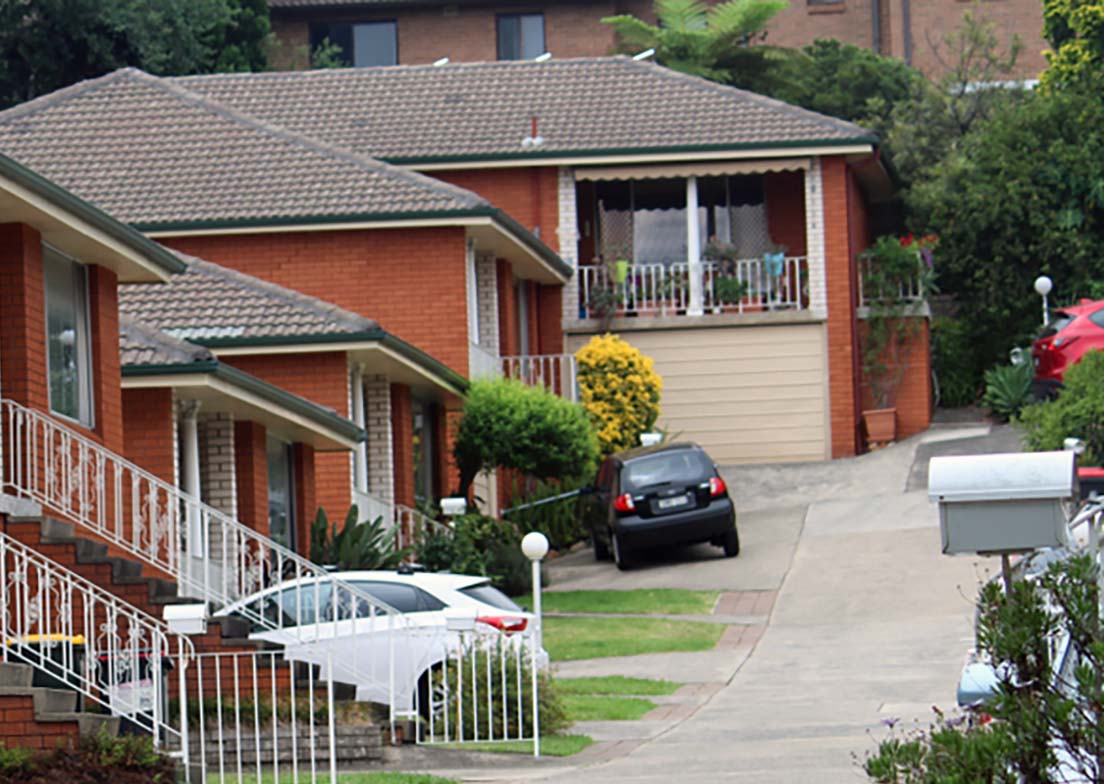
Kelly is a self-described “electricity guy” who writes the newsletter Currently Speaking and works as the regulatory policy and corporate affairs manager at Flow Power. But his home experiment offers a rare glimpse of how the scheme may play out in real households, especially those living in cold, inefficient homes.
Most winter mornings Kelly’s rental drops below the safe 15°C threshold, and working from home has become, as he told the SwitchedOn Australia podcast, “kind of unbearable.” Armed with smart plugs, temperature monitors and a willingness to “take it to the extreme,” Kelly set out to test an electricity plan that already offered three hours of free power. He wanted to see whether shifting everything into that midday window could heat his home for free.
Pushing free electricity to its limits
The results were striking. Kelly blasted the house from below 15°C to a tropical 32°C during the free window. But as soon as the free window stopped, and the heaters were turned off, the temperature collapsed. With “no decent sort of thermal insulation,” the heat drained away long before evening, the time he actually needed it.
Technically, Kelly heated the house cheaply; practically, it didn’t work. “You’re really just putting yourself through some thermal stress in the middle of the day,” he said, “and you’re not really solving the problem.”
His experiment also exposed a fundamental limitation of midday-free power: it works best if your house can hold the heat. Many Australian homes, especially rentals, can’t. Kelly describes them as “leaky tents,” and says “there are issues with the Australian housing stock that the energy market is not necessarily going to fix.”
Free lunch? Expensive dinners
The experiment also highlights an unavoidable consequence of Solar Sharers: if electricity is free in the middle of the day, it will cost more in the morning and evening. Kelly says retailers still incur network charges and other fixed costs during the free window — charges imposed by the poles-and-wires companies regardless of how cheap solar becomes.
“The retailer itself is potentially incurring costs in that free window,” he said. “Ultimately, the retailer does have to set up their pricing in a way that they can recover those costs, and that will be reflected in the prices outside of that free window.”
This is why Kelly and Flow Power argue that Solar Sharers must be paired with network-tariff reform. If network charges in the middle of the day were reduced or set to zero, retailers could pass the benefit straight through to customers, without inflating peak-period prices.
Without that reform, free power will always come with strings attached, or as Kelly puts it, “there is no free lunch.”
Real benefits — but not for everyone
Financially, Kelly’s findings were mixed. Heating remained costly because the house couldn’t retain warmth, but EV charging was dramatically cheaper. He estimates a saving of around $1,000 a year to charge his EV compared to charging overnight.
His conclusion: free electricity during the day tariffs work extremely well for some uses — EVs, dishwashers, laundry, dehumidifiers — and for users who can shift their loads to the daytime, but heating a poorly insulated home is not one of them.
There are system-level benefits too. Shifting household demand into the solar window lowers overall costs, reduces reliance on fossil-fuelled evening peaks, and avoids expensive network upgrades.
“We’re getting people to soak up the solar, but we’re also shifting power out of that peak period where we are still going to be reliant on fossil fuel generation.”
But the limits are equally clear. Many households, especially renters in cold, inefficient homes, won’t be able to shift enough load to benefit. And many will simply prefer stable, predictable pricing.
For Solar Sharers to work for the people it aims to help, policymakers will need to pair it with better housing efficiency and genuine network-pricing reform. Without those changes, the midday solar boom will remain real, but the warmth won’t last unless houses can hold it.
You can hear the full interview with Declan Kelly on the SwitchedOn Australia podcast.

Anne Delaney is the host of the SwitchedOn podcast and our Electrification Editor, She has had a successful career in journalism (the ABC and SBS), as a documentary film maker, and as an artist and sculptor.