A $13.8 million pilot will support 500 households to optimise their energy use, including through subsidised electrification and incentivised flexible consumption.
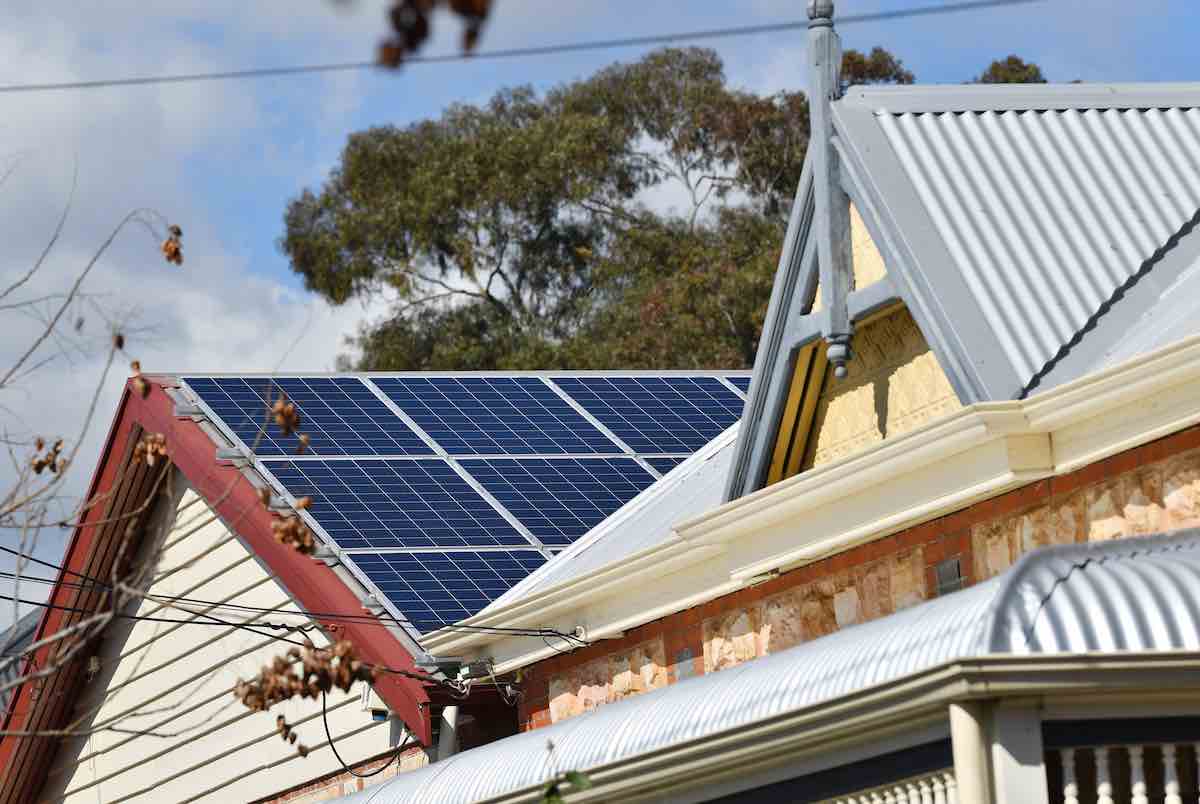
Energy Masters: New pilot to measure benefits and savings of smart, electric homes

One Step Off The Grid
Solar, storage and distributed energy news
A $13.8 million pilot will support 500 households to optimise their energy use, including through subsidised electrification and incentivised flexible consumption.
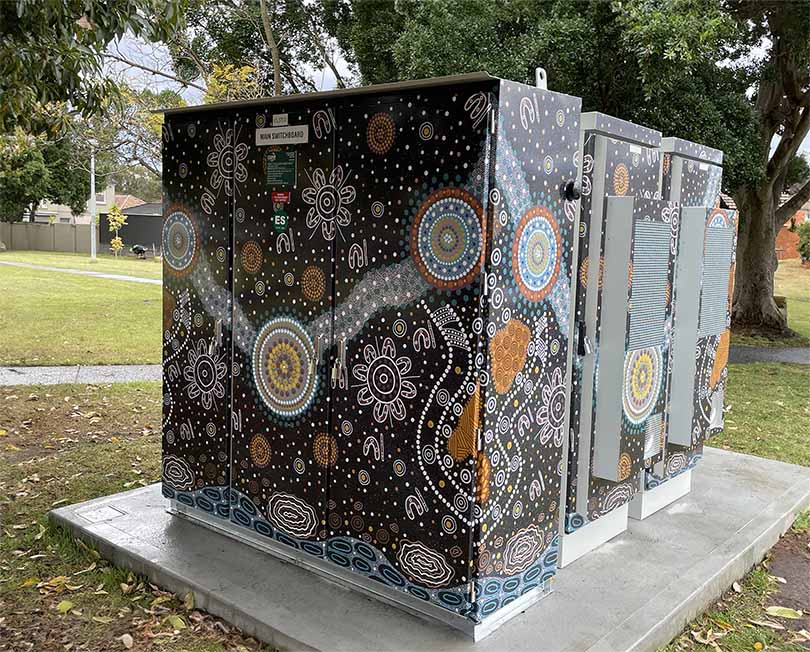
Ausgrid says costs for community batteries are coming down with each new deployment – and they will be cost-effective without government grants.
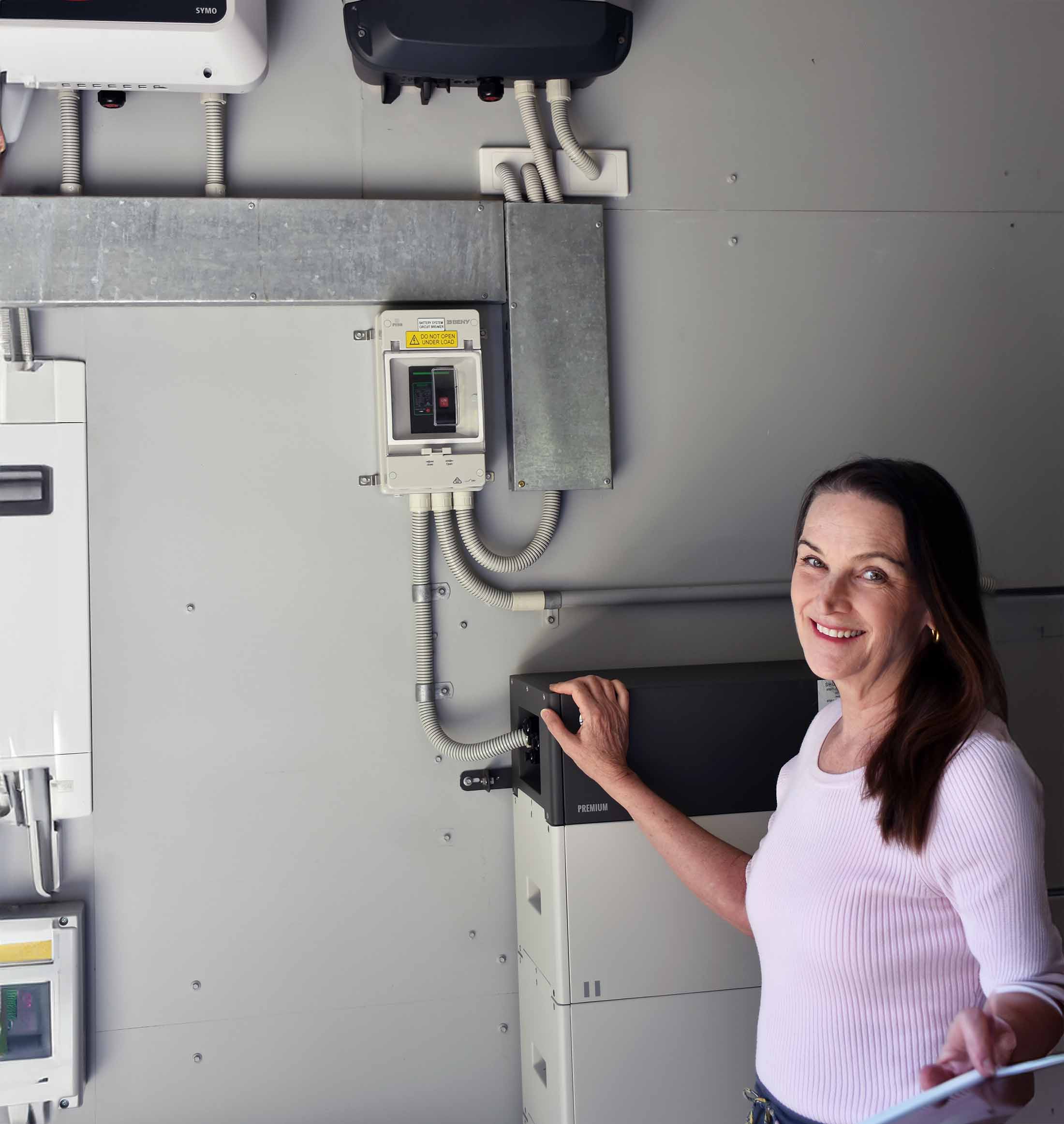
Last year I shared an article about how to calculate the break-even point on my family home’s renewable energy system. New data means an update on the ROI.
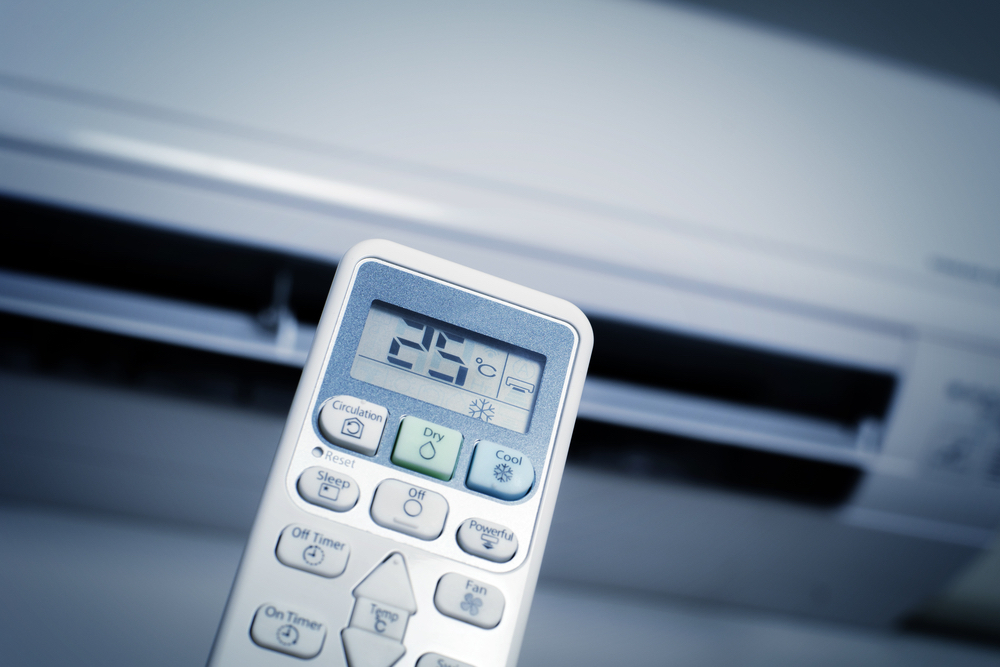
With heatwaves expected to become hotter, longer and more frequent under climate change, a more sophisticated, long-term approach to managing them is needed.
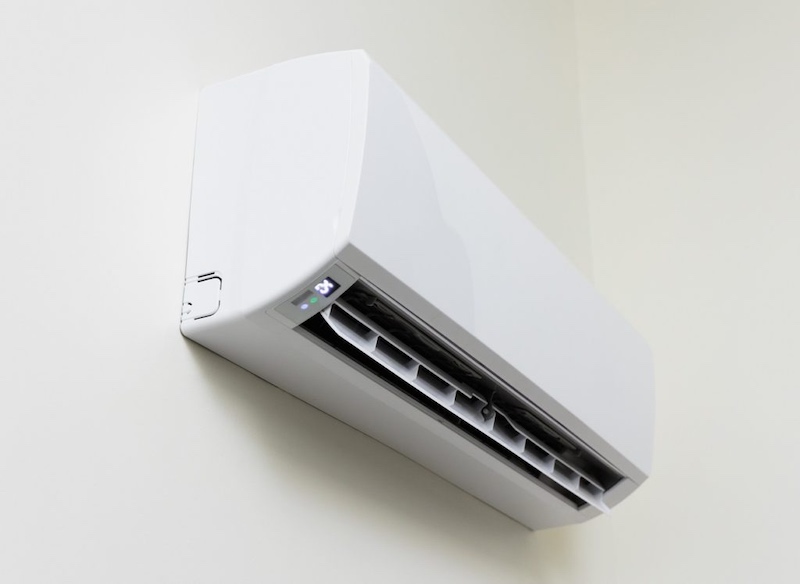
SEC trials pilot for one-stop-shop for consumers wanting to slash their energy bills by switching to all electric appliances.
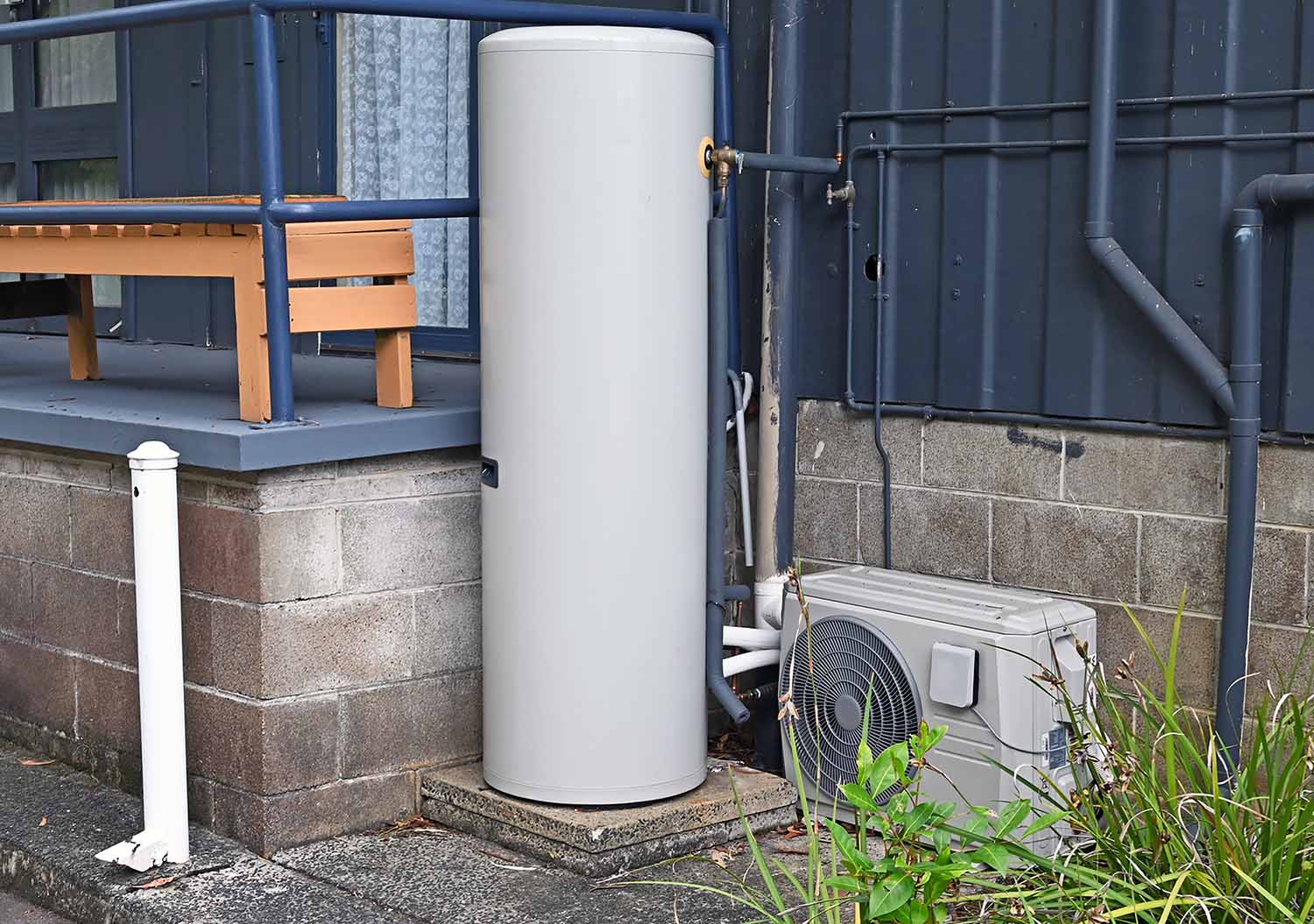
Dynamic and flexible hot water management systems enable water to be heated when renewable energy is available, and could save over $6 billion in household costs.
Energy experts argue we should shift our hot water heating to the middle of the day when there is abundant solar. It will cut emissions, and could save billions of dollars.
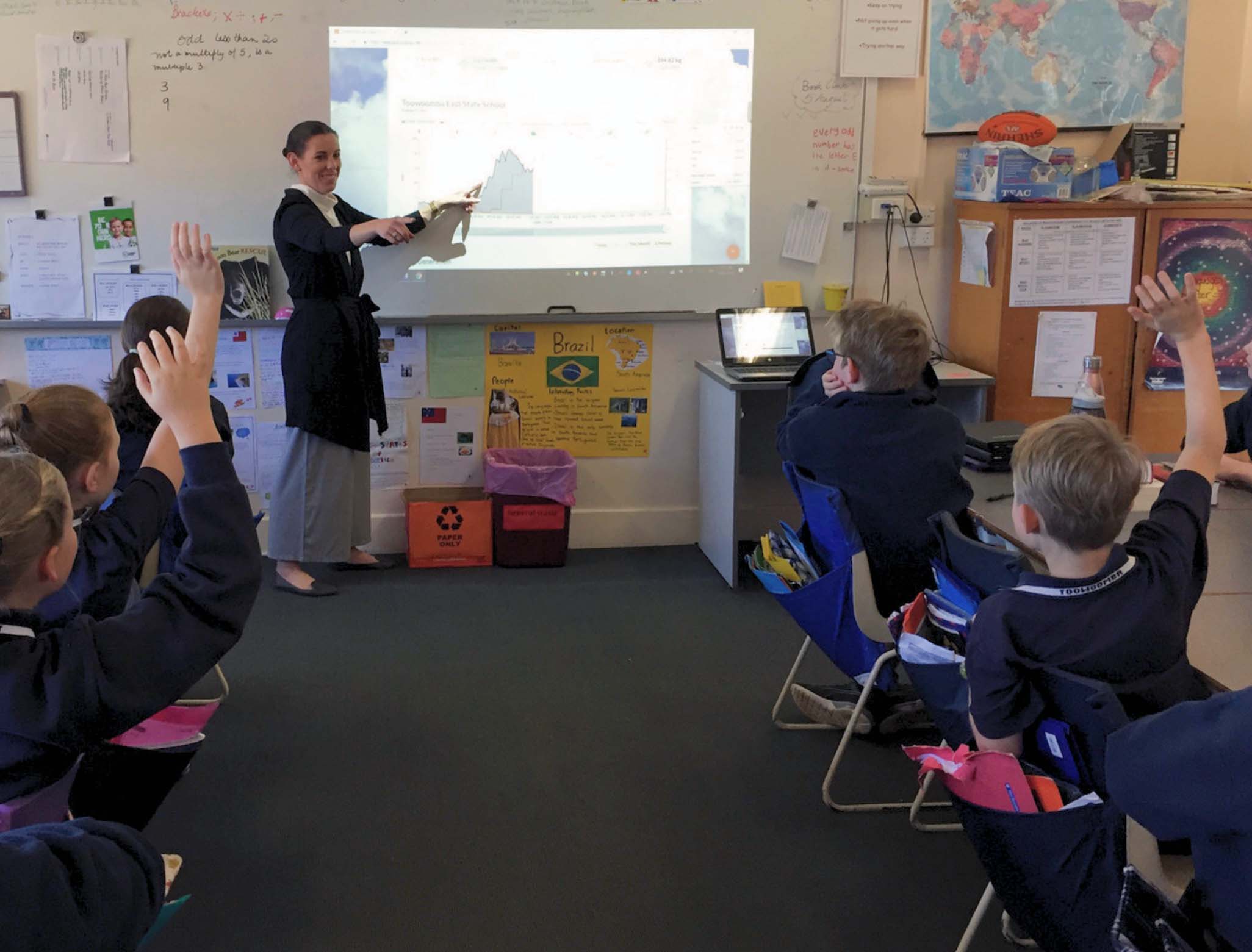
“In 22 years I have never seen energy consumption in schools decrease”: why schools should be seen as core to Australia’s energy mix.
Increasing amounts of technology means Australian schools are consuming energy at an ever-increasing rate. Rob Bruer, the co-founder and CEO of Solar Schools, outlines a case for installing solar and batteries in every school.

Apartments and houses built in the last decade are more energy efficient and easier to cool or heat, a CSIRO study has revealed.
Deputy Chair of Zero Emissions Noosa, Mark Purcell, is on a mission to get 50,000 households to electrify and install batteries.
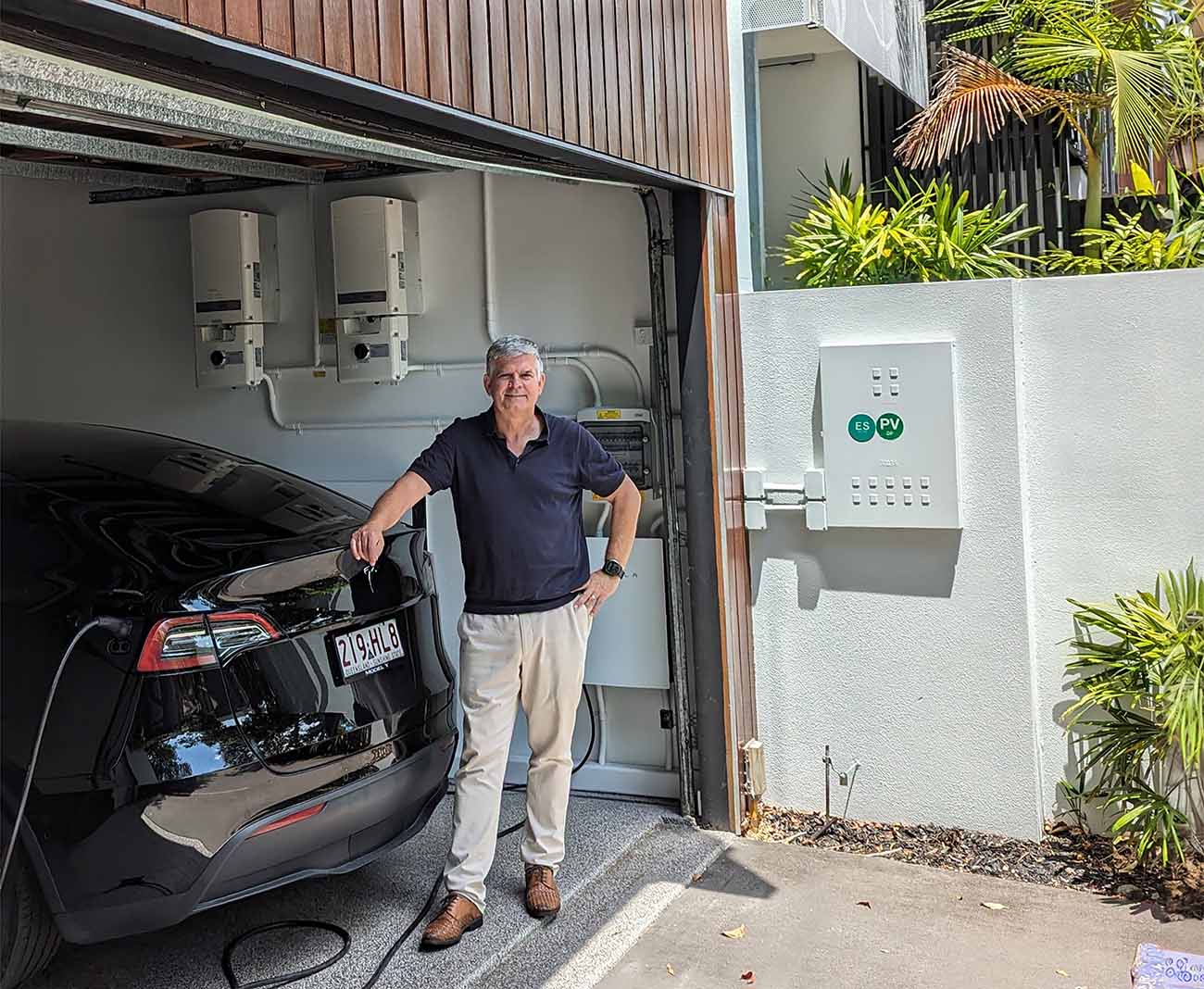
Mark Purcell went electric after watching his car get trashed by giant hailstones. Now he is on a mission to electrify enough houses to get rid of a fossil gas peaking plant.

Upgrade IQ helps householders get what they want – a comfortable home that costs less to run.
Electrifying and decarbonising our homes can be a minefield, and many people end up thinking, why bother. A new website is now trying to take some of the pain out of the process.
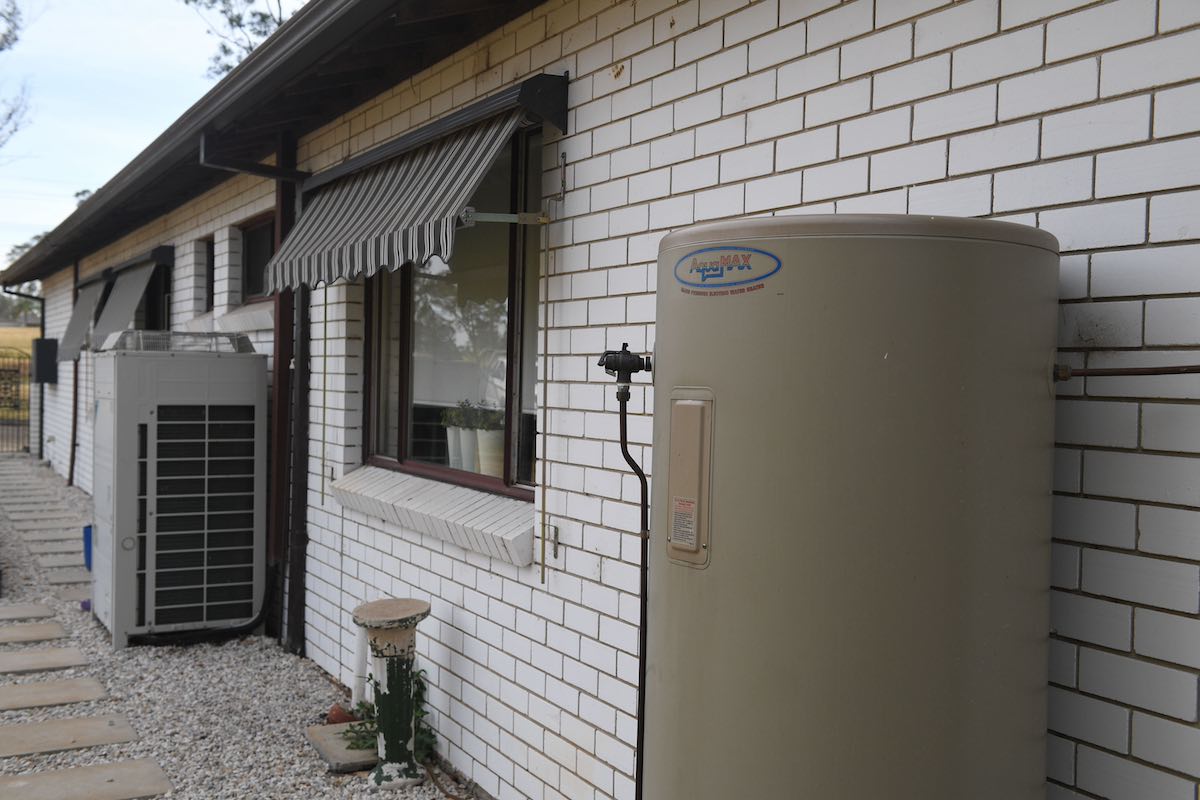
New research finds re-configuring Australia’s off-peak hot water systems to coincide with peak daytime solar production could provide around 4,000GWh of flexible demand a year.

A ban on door-knockers pushing energy saving products and appliances has come into effect, as part of a crackdown on "nuisance marketing" and dodgy energy sales tactics.