
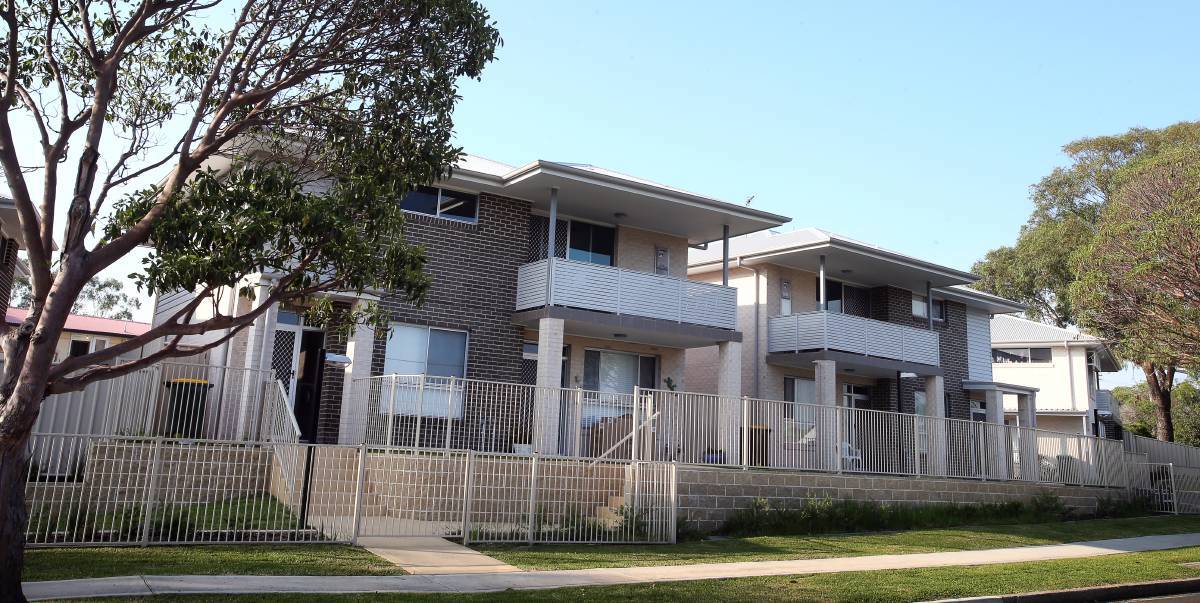
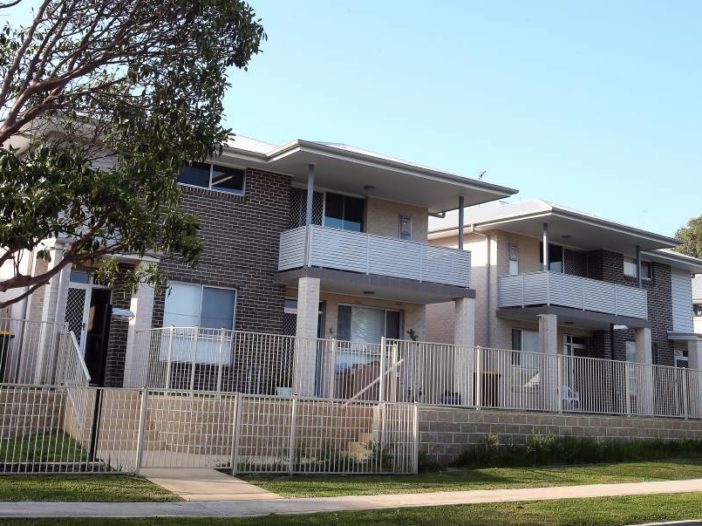
The federal and New South Wales state governments announced on Monday nearly $18 million in joint funding for a range of energy efficiency and bill slashing upgrades to over 2,300 social housing homes across the state.
The Albanese and Minns Labor governments will partner with 22 Community Housing providers across NSW to deliver a program that will cut energy bills as well as making homes more comfortable to live in, more environmentally friendly, and providing access to renewable and smart energy features.
The proposed upgrades include rooftop solar panels and shared solar systems, reverse cycle air conditioning, energy-efficient hot water systems, LED lighting and ceiling fans, as well as ceiling insulation, window shading, and draught proofing.
In addition to helping more Australians benefit from the renewable energy transition, the upgrades will help keep homes warmer in winter and cooler in summer.
According to the federal and state governments’ own joint press release, Australia has some of the coldest and least energy-efficient homes in the developed world – a failing that is most often felt by those in social housing.
“This is direct action to help people who need it most,” said Rose Jackson, NSW state minister for housing.
“We are upgrading homes so they cost less to run, are more comfortable to live in, and help tackle climate change.
“People in social housing deserve homes that are safe, liveable and energy efficient. These upgrades are about cutting bills, cutting emissions, and delivering a better quality of life.”
The upgrades are backed by funding from a part of a $175 million program being jointly delivered by the Australian and NSW governments to upgrade around 24,000 social housing homes by mid-2027 – a program which has already delivered upgrades to more than 2,000 homes.
This latest round of upgrades will benefit more than 2,300 social housing homes and are expected to be completed by the end of 2026.
“Upgrading solar and energy efficiency in social housing is all about lasting cost-of-living relief that makes houses cheaper to run and more comfortable to live in, as well as cutting emissions,” said Chris Bowen, federal minister for climate change and energy.
“Cooler homes in the hot months and warmer homes in winter lock in lasting bill relief and protection from international energy price spikes.”