
A typical 100-watt solar panel retails today for about $50, one-tenth of the $500 it cost in 2000, when hardly anyone could afford the technology. Solar power was then very expensive, and people needed incentives to add solar power to the grid with panels on rooftops or open land.
The solar revolution started with a small policy intervention in Germany – feed-in tariffs.
In 2000, the country’s total installed solar power generation capacity was about 40 megawatts (MW); 16 years later, it had reached over 41,000 MW by end of 2016. Today, some weeks of the year Germany can generate more than half of its power from solar.
When Germany started solar energy feed-in tariffs back in 1991, the rewards were very high to woo early adopters to invest in the new technology.
The principle was then further supported by the 2000 Renewable Energy Sources Act, which allowed any homeowner, business owners, farmer, or private investor to “sell” their electricity back to the grid at 3-4 times the current price for 15-20 years.
In most cases this represented a premium close to 65 cents per kilowatt/hour (kWh) at a time when the price of electricity was about 21 cents per kWh).
Solar revolution started in Germany with feed-in tariffs
Feed-in tariffs brought about a revolution in the solar power industry. Germany was the pioneer, and the People’s Republic of China, Spain, and the UK followed years later. In 2018, almost every country has some form of feed-in tariff for solar.
Led by Germany, the world went solar, and the rest is history. People started using the grid as a battery: selling the daytime excess power from solar panels to the grid for others to use, and using the power from the grid in the evening when there is no sun.
This had two impacts. First, there was a large drop in the daytime demand as more and more customers relied on their own solar power. Second, the increase in the evening peak continued as all customers used power from the grid at that time. This caused the demand profile resemble the infamous “duck curve”.
Utilities around the world will soon suffer because when a significant part of a grid’s transmission and distribution system remains idle during the daylight hours and is only being fully utilized at night, the cost of the capital investment is only partially recovered.
Many argue that the owners of rooftop solar generators are using the grid as a battery for free, while customers with no solar (likely to be lower income households) are subsidizing them.
Australia’s push for self-storage creating new market for batteries
So, let’s get rid of the duck. In Australia, regulators are giving a very clear signal to the market: the grid is not your battery, so please get your own.
Australia’s push for solar self-storage is creating a new market for large-scale battery leasing or rent-to-own schemes. Installing a typical household battery costs around AU$3,500-5,000 ($2,577-3,681), of which up to AU$2000 is subsidized by the state government in South Australia.
The system is pretty simple. In New South Wales, the state regulator IPART sets a range for all-day solar feed-in tariffs between 6.9 and 8.4 cents per kWh. Gone are the days of making 65 cents per kWh about a decade ago.
Now the feed-in tariff is no longer flat for the whole day, but rather depends on the time of the day.
From 6am to 3pm, when 86.2% of solar exports occur, the range is 6.5-7.9 cents per kWh. The rest of the day, the highest tariff (17.2 cents per kWh) can be reached from 5pm to 6pm, and the lowest is 7.4 cents from 3pm to 4pm.
Let’s leapfrog to time-of-use feed-in tariffs in small Asian economies
Some consumers are complaining now that their sweet deal under the old pricing system has come to an end. These are mainly early solar adopters that have become used to getting practically free electricity from rooftop solar, and selling their excess for profit to the grid.
The majority of stakeholders seem to be happy with the new arrangement, especially the solar retailer and the battery businesses.
While the power companies are happy to see rooftop solar customers go on their own, their long-term worry is stranded assets – large part of the distribution grid and power stations may have no commercial use as more and more customers build their own household systems, especially in rural areas with dispersed population.
Technology is changing rapidly. In a few years, solar batteries in homes are going to be as common as refrigerators or television sets.
So, why wait? Let’s leapfrog to time-of-use feed-in tariffs in countries where feed-in tariffs have just started, especially in small economies in developing Asia.
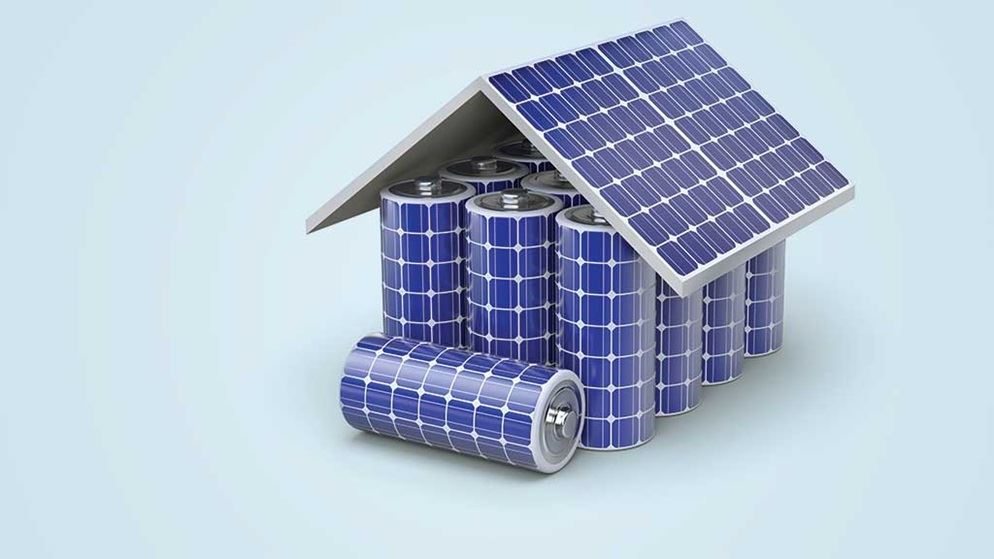
Batteries are changing the electricity supply scene in world. Whether its electric vehicles, electric boats, drones, or rooftop solar, disruption is here to stay.
This article was originally published on the Asian Development Blog. Republished here with permission.
The solar revolution started with a small policy intervention in Germany – feed-in tariffs.
In 2000, the country’s total installed solar power generation capacity was about 40 megawatts (MW); 16 years later, it had reached over 41,000 MW by end of 2016. Today, some weeks of the year Germany can generate more than half of its power from solar.
When Germany started solar energy feed-in tariffs back in 1991, the rewards were very high to woo early adopters to invest in the new technology.
The principle was then further supported by the 2000 Renewable Energy Sources Act, which allowed any homeowner, business owners, farmer, or private investor to “sell” their electricity back to the grid at 3-4 times the current price for 15-20 years.
In most cases this represented a premium close to 65 cents per kilowatt/hour (kWh) at a time when the price of electricity was about 21 cents per kWh).
Solar revolution started in Germany with feed-in tariffs
Feed-in tariffs brought about a revolution in the solar power industry. Germany was the pioneer, and the People’s Republic of China, Spain, and the UK followed years later. In 2018, almost every country has some form of feed-in tariff for solar.
Led by Germany, the world went solar, and the rest is history. People started using the grid as a battery: selling the daytime excess power from solar panels to the grid for others to use, and using the power from the grid in the evening when there is no sun.
This had two impacts. First, there was a large drop in the daytime demand as more and more customers relied on their own solar power. Second, the increase in the evening peak continued as all customers used power from the grid at that time. This caused the demand profile resemble the infamous “duck curve”.
Utilities around the world will soon suffer because when a significant part of a grid’s transmission and distribution system remains idle during the daylight hours and is only being fully utilized at night, the cost of the capital investment is only partially recovered.
Many argue that the owners of rooftop solar generators are using the grid as a battery for free, while customers with no solar (likely to be lower income households) are subsidizing them.
Australia’s push for self-storage creating new market for batteries
So, let’s get rid of the duck. In Australia, regulators are giving a very clear signal to the market: the grid is not your battery, so please get your own.
Australia’s push for solar self-storage is creating a new market for large-scale battery leasing or rent-to-own schemes. Installing a typical household battery costs around AU$3,500-5,000 ($2,577-3,681), of which up to AU$2000 is subsidized by the state government in South Australia.
The system is pretty simple. In New South Wales, the state regulator IPART sets a range for all-day solar feed-in tariffs between 6.9 and 8.4 cents per kWh. Gone are the days of making 65 cents per kWh about a decade ago.
Now the feed-in tariff is no longer flat for the whole day, but rather depends on the time of the day.
From 6am to 3pm, when 86.2% of solar exports occur, the range is 6.5-7.9 cents per kWh. The rest of the day, the highest tariff (17.2 cents per kWh) can be reached from 5pm to 6pm, and the lowest is 7.4 cents from 3pm to 4pm.
Let’s leapfrog to time-of-use feed-in tariffs in small Asian economies
Some consumers are complaining now that their sweet deal under the old pricing system has come to an end. These are mainly early solar adopters that have become used to getting practically free electricity from rooftop solar, and selling their excess for profit to the grid.
The majority of stakeholders seem to be happy with the new arrangement, especially the solar retailer and the battery businesses.
While the power companies are happy to see rooftop solar customers go on their own, their long-term worry is stranded assets – large part of the distribution grid and power stations may have no commercial use as more and more customers build their own household systems, especially in rural areas with dispersed population.
Technology is changing rapidly. In a few years, solar batteries in homes are going to be as common as refrigerators or television sets.
So, why wait? Let’s leapfrog to time-of-use feed-in tariffs in countries where feed-in tariffs have just started, especially in small economies in developing Asia.
Batteries are changing the electricity supply scene in world. Whether its electric vehicles, electric boats, drones, or rooftop solar, disruption is here to stay.
This article was originally published on the Asian Development Blog. Republished here with permission.