
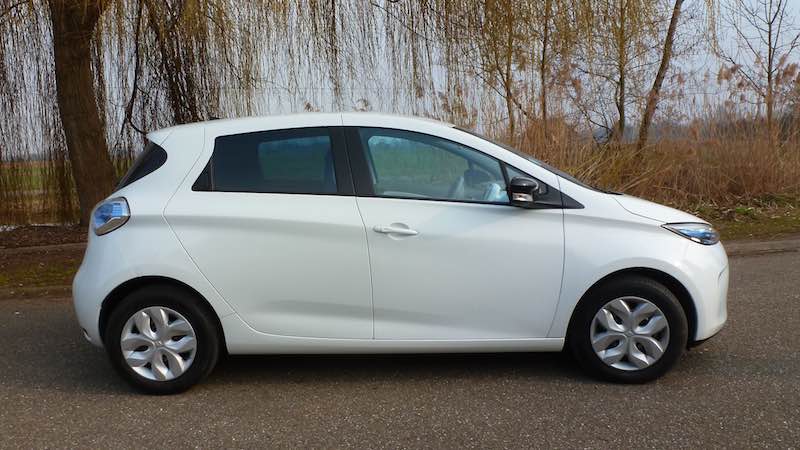
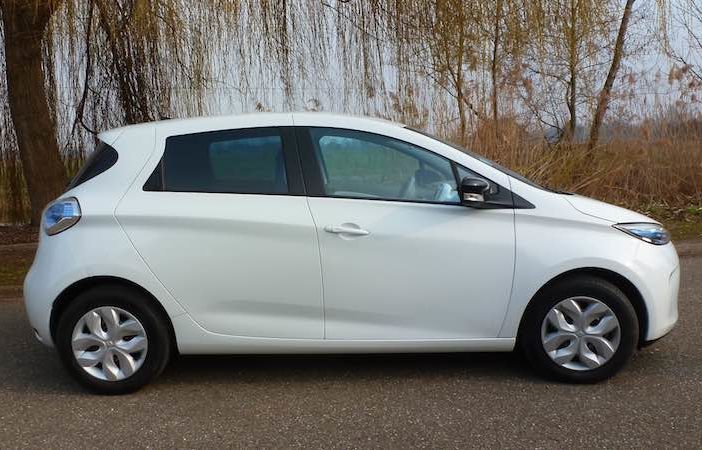
UPDATED: Affordable, 300km plus range EVs (Electric Vehicles) are about to hit Australian showrooms (See table 1). But is there an EV available now or coming soon that will meet your needs? And would changing to an EV actually benefit you and/or the environment?

Why buy an EV?
So yes, we do now have some EV choice in Australia – but why buy an EV at all given they are still more expensive than an equivalent petrol or diesel car?
Well, there are lots of reasons!
First of all they are cheaper to own and run. EV service costs are reduced as they don’t need engine oil, spark plug, filter and timing belt changes like an internal combustion engine (ICE) car.
EVs also have reduced brake wear as a lot of the vehicle’s braking effort is returned to the battery instead of heating (and wearing out) brake parts. Servicing an EV merely involves regular checks of the vehicle and its safety systems with very little needed in the way of ‘consumables’.
In addition, the fuel costs are considerably less – the following example demonstrates this:
Assuming you drive a Renault Zoe EV (quoted as using 133Wh/km) for 10,000km/yr and charge it at night on an off-peak electricity tariff of 19c/kWh:
EV: at 133Wh/km & 19c/kW = $253
ICE: at 8L/100km & 1.50/L (premium fuel) = $1200
Fuel saving: $1200 – $253 = $947
PLUS: Service savings: estimate $250/yr
Total saving (approx.): $1200/yr

Secondly, you get the following environmental benefits over ICE vehicles (and especially diesel ICEs). These include:
- No air pollution from the tailpipe;
- Reduced overall CO2-e. (Using the Carbon Accounting methodology and data as published by the Federal Government’s Department of the Environment and Energy. See graph 1);
- No longer being tied to using fossil fuels, so you can go further in replacing coal and gas fired generation with your own solar or subscribing to the greener wind, solar and hydro offered by the utilities;
- Reduction in waste such as coolants, oils, brake pads, spark plugs, air filters and the like.
When should you consider changing to an EV?
EVs do not yet cover all the range of size, cargo and towing options available as ICEs. However the choice is growing – so looking at the available and soon to come EVs in table 1, Table 2 below summarises when might be the time for you to change to an EV, based on a selection of distance, route and cargo/towing options:

Bryce Gaton is the National Newsletter Editor for the Australian Electric Vehicle Association (AEVA) and is a qualified secondary science educator as well as a Registered Electrical Contractor and electrical trade teacher. He has been working in the EV sector for 10 years, and currently works part-time for the Melbourne School of Engineering as their EV safe work practice trainer/supervisor. He regularly writes on EV topics for and on behalf of both the AEVA and ATA. Bryce also owns and drives two EVs – a Nissan Leaf for commuting and a converted Citroen van for work.