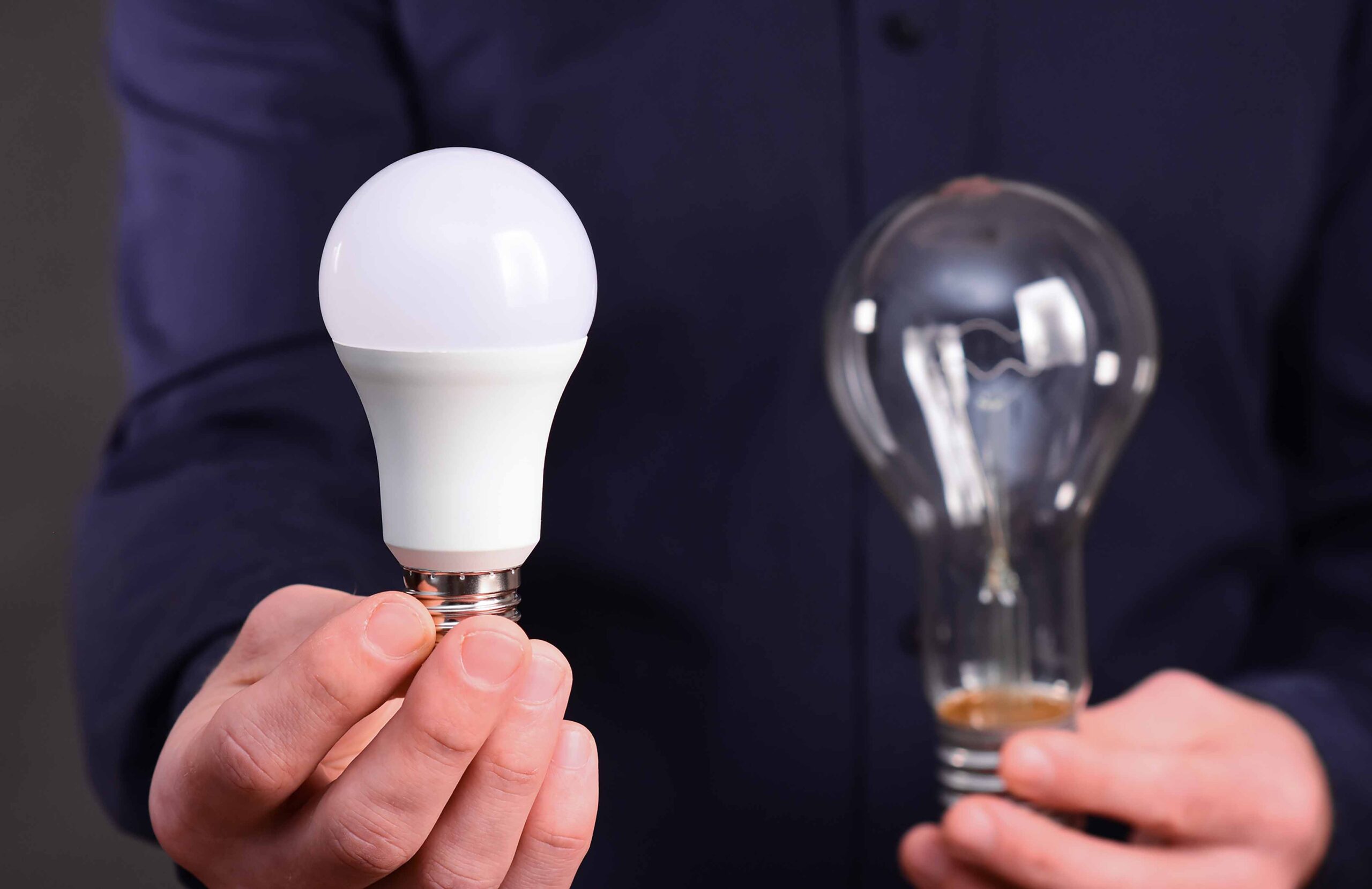
At last week’s energy ministers meeting in Melbourne, ministers agreed to bring in Minimum Energy Performance Standards (MEPS) for incandescent lamps and digital displays like televisions, computer monitors and digital signage. They also agreed to phase out inefficient halogen lights, which half of Australia’s homes still have.
However, the ministers did not agree to introduce minimum standards for LED light globes, which are increasingly being installed in Australian households because of their greater efficiency. LEDs use considerably less energy, generate less heat, and last much long.
The Energy Efficiency Council (EEC) are disappointed energy ministers failed to follow through on a key element to ensure greater lighting efficiency.
“The phase out of halogens and introduction of minimum energy performance standards for LEDs was always a joined up reform package,” says Menzel, the CEO of the EEC. “This was deliberate, to ensure that as we remove one technology from the market, the LEDs Australians rely on every day meet minimum quality standards.”
Minimum energy performance standards are used to set the base standard of products that can be sold in Australia, and are a way to ensure inefficient products don’t enter the Australian market.
“They ensure Australians aren’t exposed to poor quality products when it comes to energy performance that are produced elsewhere in the world,” Jeremy Sung, the Head of Policy at the EEC, told the SwitchedOn podcast. “We don’t want to become a dumping ground for those products.”
Without minimum standards, the EEC says the quality of LEDs on the Australian market varies significantly.
“Studies have found there are LED lamps for sale in Australia that perform 10-30 percent below the minimum levels proposed in the regulations.”
A broad cross section of industry and consumer groups – including the Energy Efficiency Council, the Property council, the Clean Energy Council, the Energy Consumers Association, Green Building Council, etc – were under the impression minimum energy performance standards for LEDS would be discussed at last week’s energy Ministers meeting.
In a joint press release leading up to the meeting they urged Ministers to agree to standards, and argued Australia is now lagging well behind Europe, where minimum standards for LEDs came into force in September 2021. Regulations also exist in China, Singapore, Malaysia and Vietnam.
They also cited evidence prepared by the Federal Department of Environment and Energy prepared back in 2018 – on behalf of all states – that recommended removing inefficient and poor quality LEDS from the Australian and NZ market.
However, a spokesperson for the Assistant Minister for Energy says minimum energy standards for LEDS weren’t on the meeting agenda of Ministers because “the policy development process” has not concluded.
Lighting constitutes about 10% of a household’s electricity use, and between 20 and 40% for commercial buildings.
The Government estimates Australian consumers could save around $1.4 billion if we replace all our inefficient lighting with efficient lighting, which would also reduce our emissions by about 5.5 million tonnes, by 2030.
Those figures though also include the phase out of inefficient halogen lighting, which Ministers agreed to last week, although no dates have been set. The Department has not released separate figures which would show the benefit of changing inefficient LED lights for efficient ones.
The Lighting Council of Australia supports the phase out of halogen lights, because they say they are inefficient and dangerous, but campaigned against the introduction of minimum energy performance standards for LEDs.
“The industry didn’t support the proposed administration of the [MEPS] scheme and extreme cost to some players in the industry that would come from having to register hundreds of different light bulbs on the government system,” says Malcolm Richards, Lighting Council of Australia CEO.
“For some businesses, it would have been an extreme cost that would drive up the retail price of the lamps by around 35%, and up to 100%, on the current pricing,” says Richards.
“We just made the government aware of that, and I’m pleased that they have agreed to go back and talk about how we can keep that cost down.”
Although the Lighting Council campaigned against the minimum energy performance standards for LEDs as currently proposed, Richards is concerned Australia is already becoming a dumping ground for cheap foreign light fittings.
“Our problem is the importation of foreign light fittings that aren’t even made for the Australian market becoming really accessible on eBay, Alibaba, Timu and all of these sites – it’s really rife.”
Richards says these products come into Australia as a part of an online bundle and don’t go through our testing regime, and aren’t registered for energy safety.
The Lighting Council hopes that any standards legislation will also apply to these products.
The full interview with Jeremy Sung will be released on Sunday 28 July on the SwitchedOn Australia podcast.

Anne Delaney is the host of the SwitchedOn podcast and our Electrification Editor, She has had a successful career in journalism (the ABC and SBS), as a documentary film maker, and as an artist and sculptor.