
Victorian distribution network provider United Energy will trial the use of pole-mounted batteries in an effort to overcome network constraints and manage peak demand in two Melbourne suburbs.
United Energy says it will install two 75kWh battery storage systems on network poles within the low-voltage distribution network in the Melbourne suburbs of Highett and Black Rock, where the local substations are already constrained.
The company will use the batteries to supply power to between 50 and 75 homes in each location, with the batteries being charged during off-peak periods and enabling them to deliver power locally during peak periods.
Both systems will be installed within the Bayside Council area, which has seen growth in both peak demand between 4pm and 8pm, as well as strong growth in rooftop solar uptake. The number of solar installations in the council area is expected to more than double from the 4,500 systems currently installed, to as high as 10,000 installations by 2026.
The battery systems will aid in ‘shifting’ the excess supply of the rooftop solar installations into the peak afternoon demand period when solar availability is lower.
By installing a single, larger, battery system the company expects to deliver peak demand management services with greater cost-efficiencies that can be achieved by installing several smaller systems across multiple households. It is similar to a successful system introduced by Western Power, although United Energy are not yet looking at a business model that includes the local community.
“The cost of batteries is coming down progressively but is still out of reach for many households,” United Energy general manager of electricity networks Mark Clarke said.
“Sharing the battery infrastructure allows all our customers to benefit from greater reliability and enables us to defer high-cost network upgrades.”
“It is an important step forward in setting up the kind of flexible network we need to manage electricity exports from rooftop solar and other private generators in the future,” Clarke added.
The company hopes the $500,000 trial will successfully demonstrate how distributed battery systems can be used to manage and overcome network constraints in the distribution network and manage periods of peak electricity demand. United Energy currently serves around 1.45 million Victorians across Melbourne’s south-eastern suburbs.
If successful, the distributed battery systems may avoid the need for more expensive network augmentation that would otherwise be necessary to address the network constraints.
“If the trial is successful, we may incorporate these batteries in other parts of our network to keep network charges low for customers and support us to continue delivering reliable power,” Clarke said.
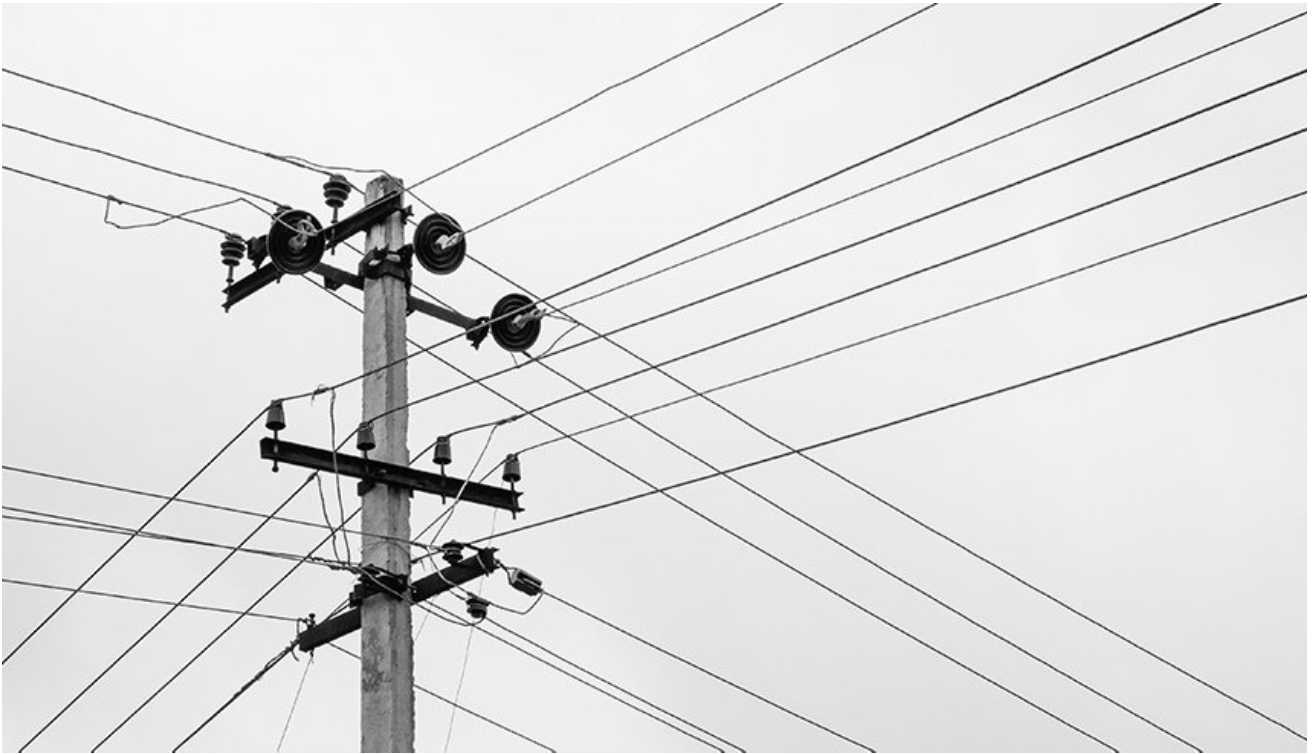
The batteries will be installed on distribution poles around 5 metres above ground and will appear similar to other distribution network infrastructure such as transformers. The batteries are expected to be deployed in February.
The trial has received funding support from the Australian Energy Regulator’s Demand Management Innovation Allowance, which provides a financial incentive for network operators to make investments in ‘non-network’ technologies and innovations, including demand response and distributed energy resources like solar and storage.
United Energy previously partnered with demand response platform provider Greensync to undertake a similar trial of distributed energy systems and demand response services in Victoria’s Mornington Peninsula. The project also helped United Energy defer costly investments in new distribution network infrastructure and contributed to the development of Greensync’s deX demand management platform.