
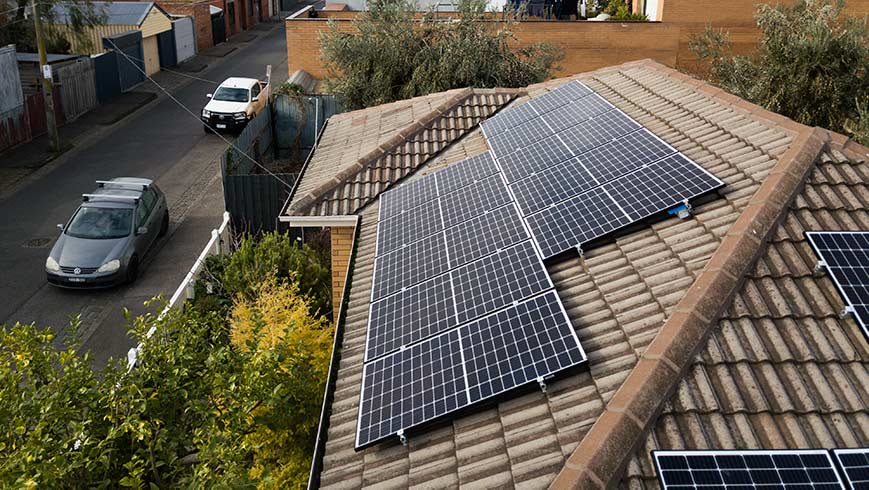
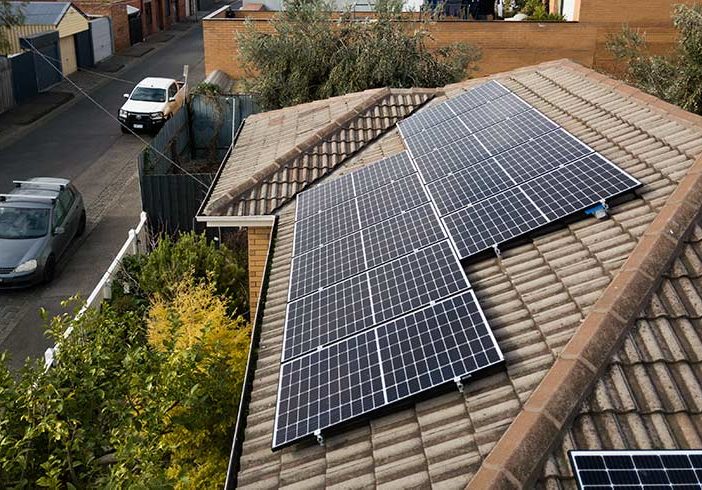

Solar households in Victoria are set to take a small cut in the amount they are paid for the rooftop generated power they send to the grid, after the state regulator decided to reduce both the single rate and time-varying feed-in tariffs.
In a final decision published on Thursday, Victoria’s Essential Services Commission said the minimum single rate feed-in tariff for rooftop solar exports would be set at 10.2 cents per kilowatt hour from July 1 – down from 12c/kWh in 2019-2020.
The time-varying minimum FiT rate – which uses a peak, shoulder and off peak structure to reflect the underlying value of the electricity – was also reduced to between 9.1 cents and 12.5 cents per kWh, down from between nearly 10 cents and 14.6 cents per kWh last year.
The ESC said it had used its usual futures market approach to forecast the wholesale prices that underpinned its FiT decision, but this year had also introduced two changes to its approach.
“First, we used the 12-month average price in forecasting wholesale electricity costs instead of the 40-day average we used previously,” to reflect retailers’ approach to buying contracts over a longer period, the Commission said.
Second, the ESC based the time-varying minimum FiT rate on solar-weighted wholesale electricity prices instead of the time-weighted approach (technology neutral approach) used in the recent past.
“The solar-weighted approach better reflects the true value of solar exports to the grid. Retailers and peak bodies support these changes to our approach,” it said.
As Giles Parkinson reported back in 2017, when the ESC first proposed introducing a peak period tariff for rooftop solar exports, the Victoria regulator has been a market leader in its approach to solar, and recognising its value at times of peak demand.
As well recognising the benefits of solar to the grid, the hope was that the time-varying rates would incentivise solar households to shift their demand to earlier in the day, and be more efficient in the evenings – and possibly even to invest in battery storage.
But as the ESC noted in its determination this week, that all rather depends on whether retailers decide to pass the offer on, or not.
“As at February 2020,” the regulator notes, “only EnergyAustralia offers both a single rate FiT and a time-varying FiT rate to Victorian customers.
“Several other retailers offered contractual arrangements to battery owners which involve dynamic pricing of electricity exports.
“We will continue to monitor whether more retailers offer time-varying FiT rates in the immediate future,” it said.

Sophie is editor of One Step Off The Grid and editor of its sister site, Renew Economy. Sophie has been writing about clean energy for more than a decade.