

• Skip to primary navigation
  • Skip to main content
  • Skip to primary sidebar
  • Skip to footer
One Step Off The Grid

One Step Off The Grid

Solar, storage and distributed energy news

  • Solar
  • Battery/Storage
  • Off-Grid
  • Efficiency
  • Software
  • Podcasts
  • Tariffs
  • Electric Vehicles
  • Electrification

Queensland cattle farm goes solar, cuts grid power consumption in half

April 17, 2018 by Sophie Vorrath Leave a Comment

Source: Teys Australia

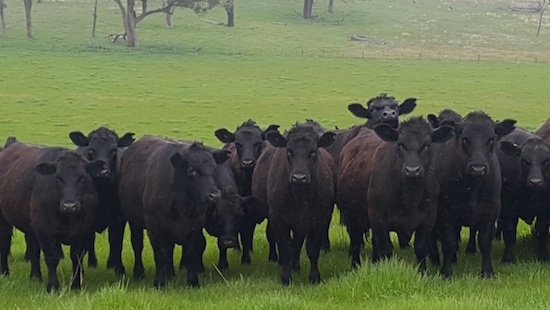
Major beef producer and exporter, Teys Australia, will save upwards of $77,000 a year and cut its grid power consumption in half, through a combination of solar generation and energy efficiency upgrades.
The energy overhaul at the company’s 30,000 head commercial feedlot, located near near Condamine on Queensland’s Darling Downs, was conducted as part of the Queensland government-funded Energy Savers Program.
The program – a collaboration between regional grid operator Ergon Energy and the Queensland Farmers Federation – aims to cut energy costs for the state’s agribusiness sector.
After a detailed energy audit by Energetics, a 300kW roof and ground-mounted PV system was settled on, and installed by Solgen and ERM Power.
The PV, which was fully commissioned over the past couple of months, now provides up to half of the feedlot’s electricity needs and will reduce its peak demand from the grid by 30 per cent, according to Beef Central.
“The solar farm has been a huge win for our facility, and the local community,” said Teys Condamine feedlot general manager Phillip Lambert. “It’s allowed us to reduce grid electricity by 50 per cent and carbon emissions by a similar amount.
“We have also been successful in reducing energy consumption of lighting and process heating off the back of the Energy Savers program,” he said.
On top of the solar, Energetics made a further 12 recommendations to cut the feedlot’s energy use and operating costs, and so far Teys has adopted six of them.
According to the Queensland Farmer’s Federation website, of the energy-saving recommendations that were implemented, a total annual energy cost saving of more than $77,000 is expected to result, with a payback period of under three years.
Around $72,000 of extra annual savings may be available through a tariff change, the website said.

Sophie Vorrath
Sophie Vorrath

Sophie is editor of One Step Off The Grid and editor of its sister site, Renew Economy. Sophie has been writing about clean energy for more than a decade.

Filed Under: Energy Efficiency, Solar

Primary Sidebar

Sign up for our weekly newsletter

Emissions Counter

Renew Economy

RSS Energy News from Renew Economy

  • Second stage of Supernode battery begins operations, making it the biggest in Australia’s main grid
  • Victoria is in a real energy pickle, and now has a new premier. One Nation is not the solution
  • GenCost: The seven caveats behind CSIRO’s “No Progress” scenario – and why it isn’t cheaper
  • Outrage machine winning as Australians worry that others don’t support energy transition
  • “Makes no sense:” Labor mulls third oil refinery as analysts urge faster push into EVs

RSS Electric Vehicle News from The Driven

  • Tesla Model Y six seater now available for immediate delivery in Australia
  • Volvo EX60 electric SUV gets sales approval with 2,400 kg towing ahead of imminent launch
  • Can Australia’s “little Norway” reach net zero by 2045? It will need very strong EV targets to get there
  • Video: Should Australia set an end date for selling ICE Cars?
  • Retail giant begins EV charger rollout at up to 30 store locations across Australia

Press Releases

  • Huge luxury Saudi resort goes 100pct renewables with one of world’s biggest batteries
  • How solar + storage can be a game-changer for people with disabilities

Footer

Technologies

  • Solar
  • Battery/Storage
  • Electric Vehicles
  • Energy Efficiency
  • Software/Gadgets
  • Other Renewables
  • Policy
  • Tariffs
  • Contact
  • Advertise with us
  • About One Step Off The Grid
  • Terms of Use
  • Privacy Policy

Copyright © 2026 · OneStep Genesis on Genesis Framework · WordPress · Log in