

The significant – and welcome – fall in wholesale prices in Australia’s main electricity grid has already taken its toll on the country’s biggest fossil fuel generators, and now will have an impact on their main competitors: the hundreds of thousands of households with rooftop solar.
Victoria’s energy regulator, the Essential Services Commission, has announced that the “minimum” solar tariff payable to households for the electricity they feed back into the grid from their rooftop solar systems will be slashed by one third from July 1.
The minimum feed-in tariff rates will drop to 6.7 cents per kWh (kilowatt hour), down 34 per cent from 10.2c/kW in the current year, and the lowest rate since 2016.
The ESC also sets a minimum time of use rate (which has had a slow uptake from consumers) which ranges from the off-peak rate to peak rates. Bizarrely, the “shoulder” rate of 6.1c/kWh is now lower than the off-peak of 6.7c/kW, apparently because the shoulder captures a small morning peak. The peak rate of 10.9c/kW applies between 3pm and 9pm.
 .
.
ESC pricing director Marcus Crudden said the “days of high feed-in tariffs appear over”, but insisted that there were still considerable benefits for households that chose to install solar modules, particularly if they alter the way they consume power.
“If households make small changes to the way they use their electricity – such as operating power- hungry appliances during the day – savings of around $890 per annum are possible,” he said.
The rate set by the ESC is the minimum rate that electricity retailers must pay, and many choose to pay more – significantly more in some cases, although high feed in tariffs are often accompanied by high retail rates for electricity sourced from the grid.
Crudden also sought to address the substantial difference to what consumers receive for the electricity they send to the grid, and what they have to pay when they import from the grid.
“Retail tariffs are much higher than the feed-in tariffs due to the other costs retailers face when they deliver electricity to their customers, such business overheads, network charges and customer service expenses,” he said.
“To avoid paying the higher retail rates it is in solar customers’ interests to use as much of the electricity they generate from their solar panels as possible. During the day when the sun is shining, solar customers should run their washing machine, dishwasher, water heater and other energy intensive appliances,” he said.

The recommended minimum feed in tariff is composed of an assessment of wholesale prices – and this component is nearly halved from June, 2021, to 3.9c/kW from 7.3c/kWh previously, and a 2.5c/kWh “social cost of carbon” allowance, essentially a carbon price added uniquely in Australia to rooftop solar exports. There is also a small amount based on avoided transmission costs.
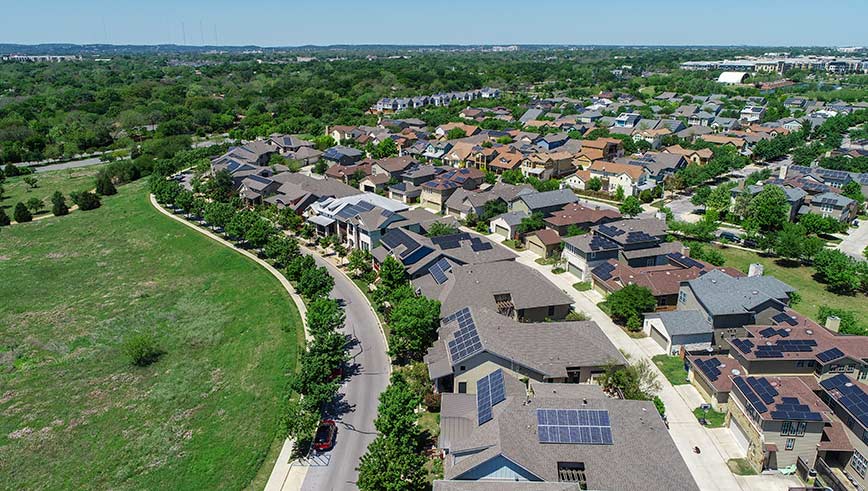
According to the ESC more than 500,000 homes and small businesses in Victoria have rooftop solar.

Giles Parkinson is founder and editor of One Step Off The Grid, and also edits and founded Renew Economy and The Driven. He has been a journalist for 35 years and is a former business and deputy editor of the Australian Financial Review.