
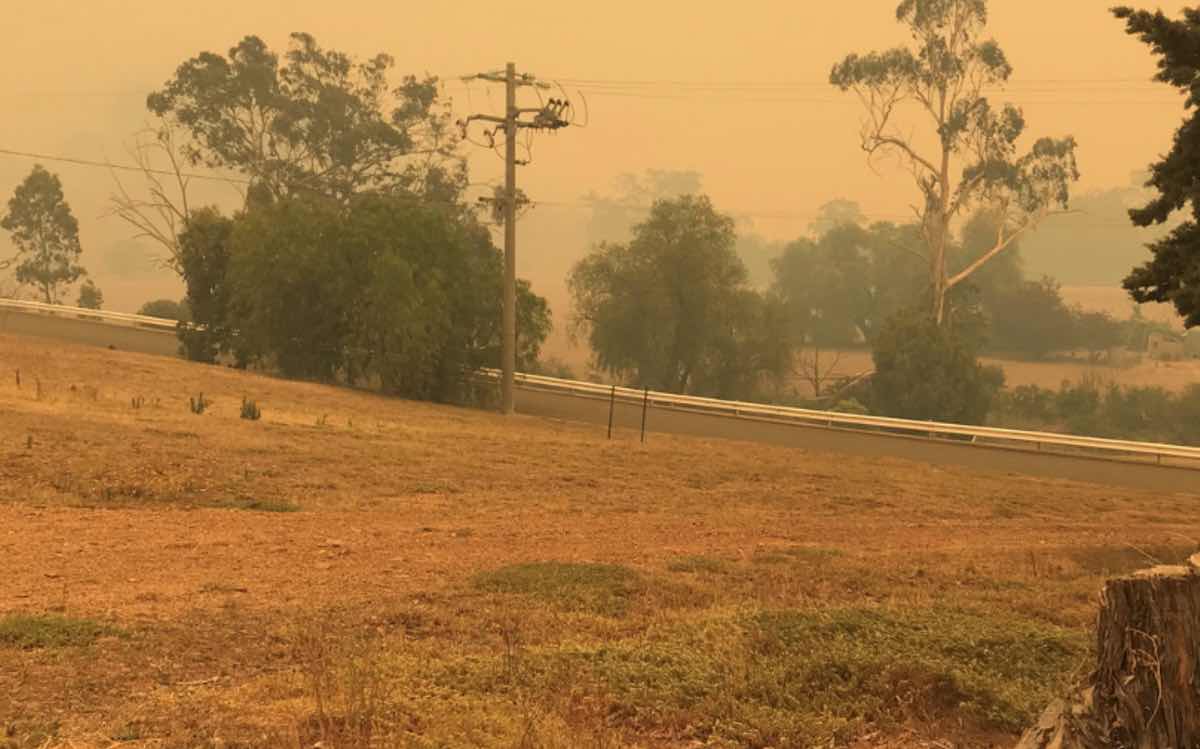

Some of the Victorian towns that were the hardest hit in the 2019-2020 Black Summer of bushfires have been invited to explore how “energy resilient” microgrids could be used to help keep their communities safe and supplied with power during future natural disasters.
The Victorian government this week launched consultation on its Community Microgrids and Sustainable Energy Program with three East Gippsland towns – Mallacoota, Omeo and Corryong; some parts of which were disconnected from the state’s grid for more than a month following the fires.
State energy minister Lily D’Ambrosio said communities and affected stakeholders in and around these towns could submit expressions of interest for subsidised energy systems in their homes, businesses, and essential service sites.
“Community safety is our top priority – which is why we are continuing to invest in new technologies to help keep Victorians safe and connected to resilient, secure and increasingly green energy infrastructure,” D’Ambrosio said.
“We’re building energy resilience and safety as we face the impact of climate change and see hotter summers with longer bushfire seasons.”
Stand-alone or grid connected, islandable microgrids incorporating a range of technologies like solar PV, battery storage systems and smart energy management devices are increasingly being used to boost energy resilience in exposed and remote parts of Australia’s grids.
Western Australia’s state owned utilities have for years now been offering customers prone to outages or cut off by fire or other extreme weather events the option to switch to stand-alone power systems, as a cheaper and more reliable alternative to building new poles and wires.
And just last week, Western Power called for proposals to help develop the state’s first “disconnected microgrids” – isolated, self-supported networks powering small towns that operate independently from the rest of the grid, and comprise at least 90% renewables.
Again, this is being explored as a cheaper and more reliable way to boost energy resilience at the end of long, inefficient and at-risk feeder lines connecting towns to the central grid.
In Victoria, the demand for such solutions has certainly increased since the 2019-2020 bushfires – and particularly in East Gippsland, where a recent study found that plans to “build back better” had remained largely aspirational.
The study, compiled by social researcher Nicola Heppenstall from The Insight Centre for Energy Consumers Australia, interviewed 20 residents of communities in and around Mallacoota in the immediate aftermath of the fires and then twice more over the following year.
“For many of the people we spoke to, the loss and restoration of energy infrastructure were often, from their perspective, bookends in the crisis and the start of their recovery, underlining the critical role that energy plays in our lives and businesses,” the report said.
The report found that many people saw the bushfire crisis as an opportunity to take advantage of the latest energy technologies to rebuild in a better and smarter way; to not only restore power but solve historical reliability issues at the same time.
“The crisis experience … heightened their desire to secure a self-sufficient energy source,” the report said. “[It] increased the perceived importance of energy security and meant that many people were looking for greater communication with their energy network, particularly about what is being done to minimise disruptions to the network and how communities …could benefit from new technology solutions.”

Sophie is editor of One Step Off The Grid and editor of its sister site, Renew Economy. Sophie has been writing about clean energy for more than a decade.