Zero Emissions Noosa report argues community batteries can provide quick and flexible responses without social licence problems, high cost, and delivery problems of large scale projects.
Battery/Storage
Zero Emissions Noosa is the only non-industry group in Queensland to receive a federal grant for a community battery. Co-convenor Vivien Griffin discusses why they are so important.
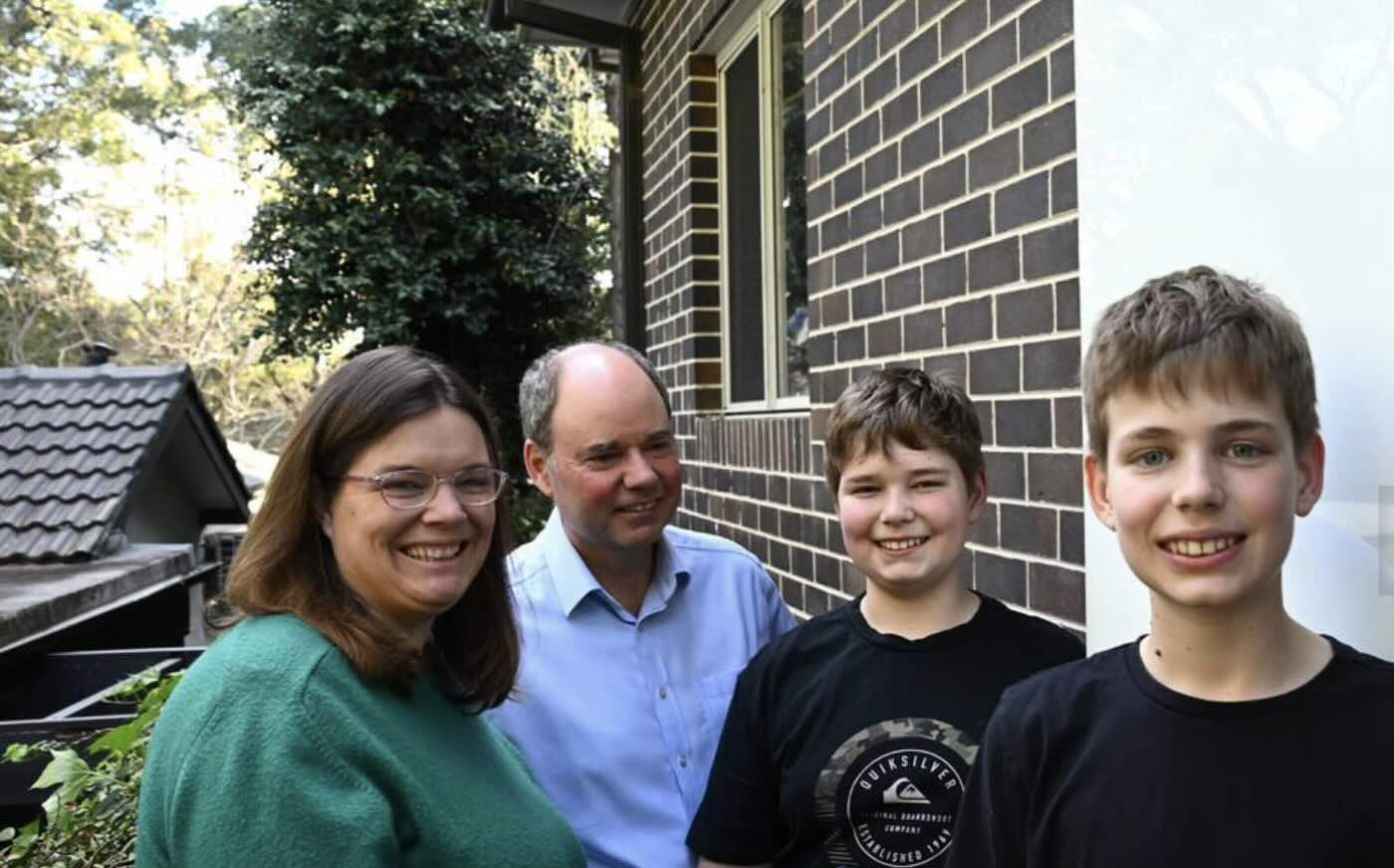
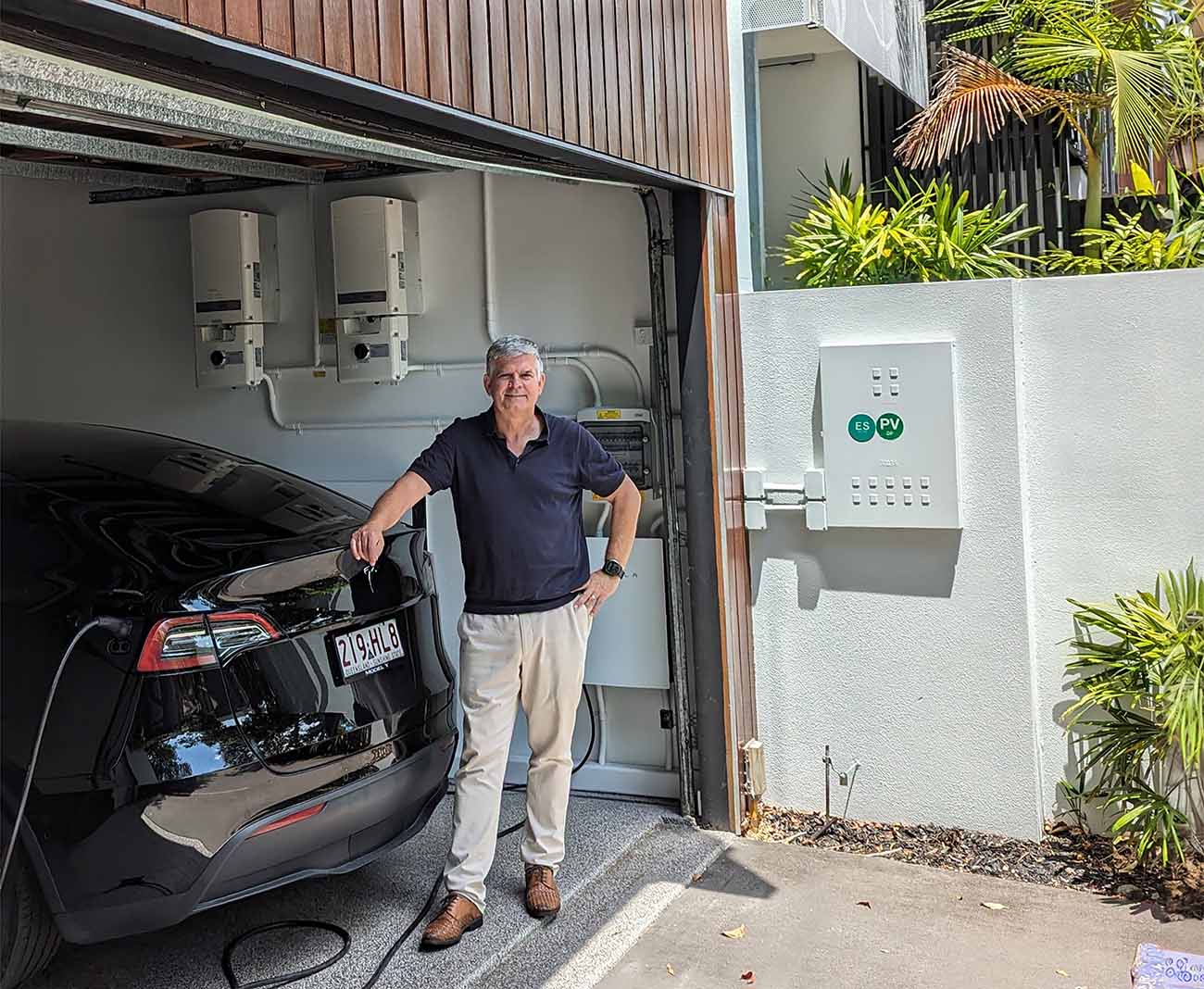
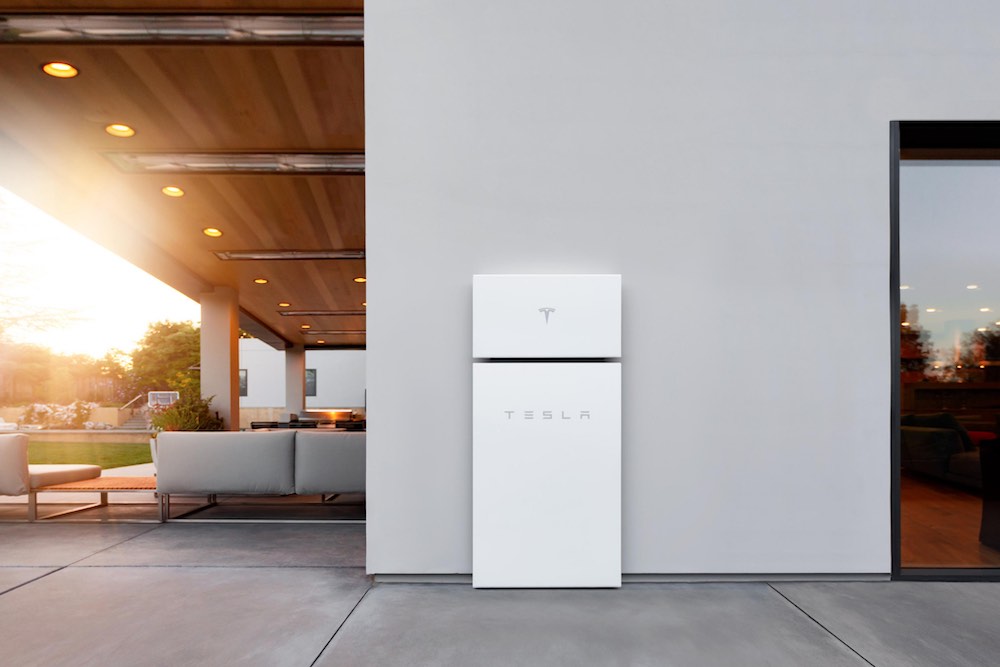
The first family to install a Tesla Powerwall 3 home battery in Australia expects a quick payback. "We're spending about $5000 a year on power and we're expecting that to disappear."
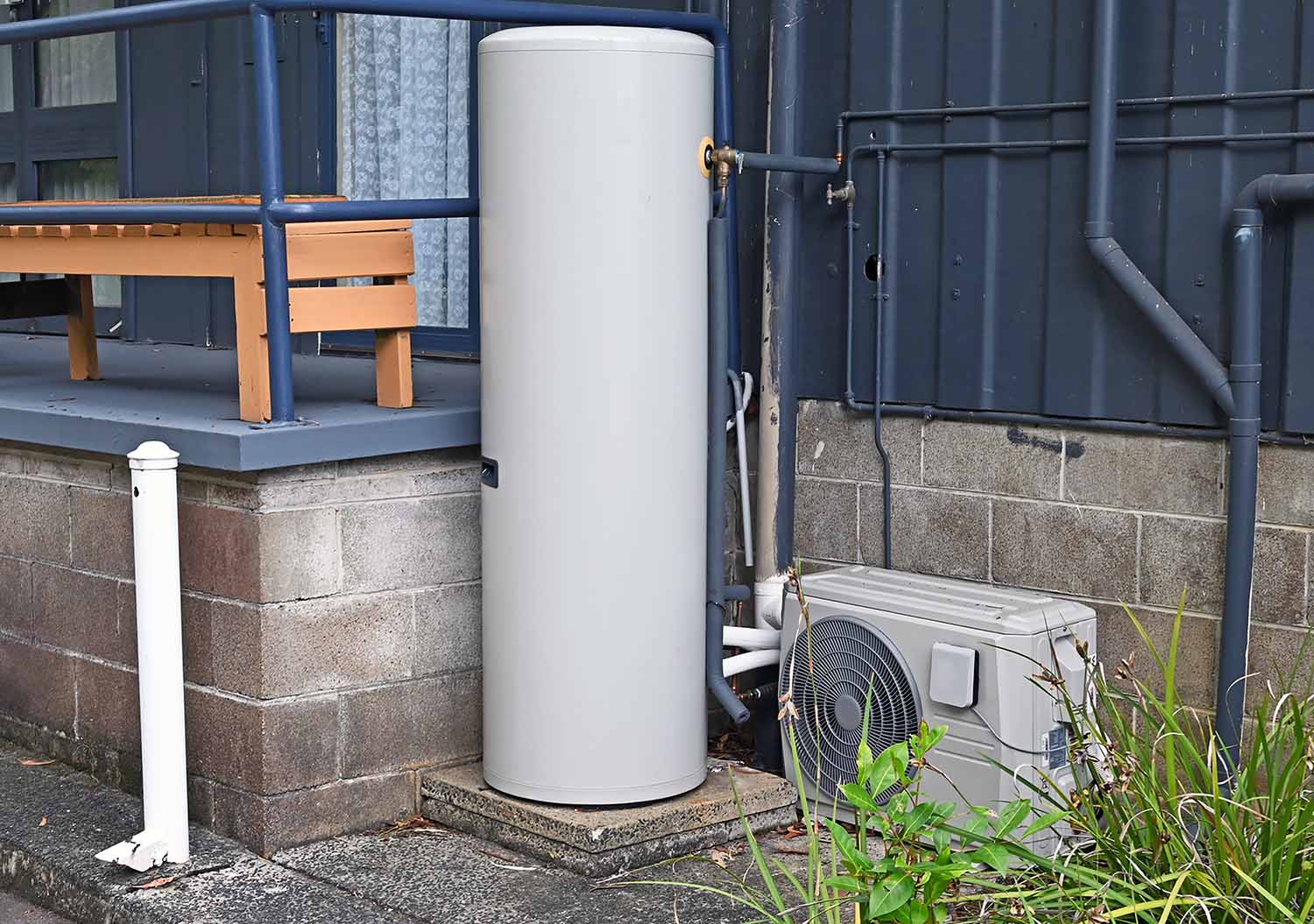
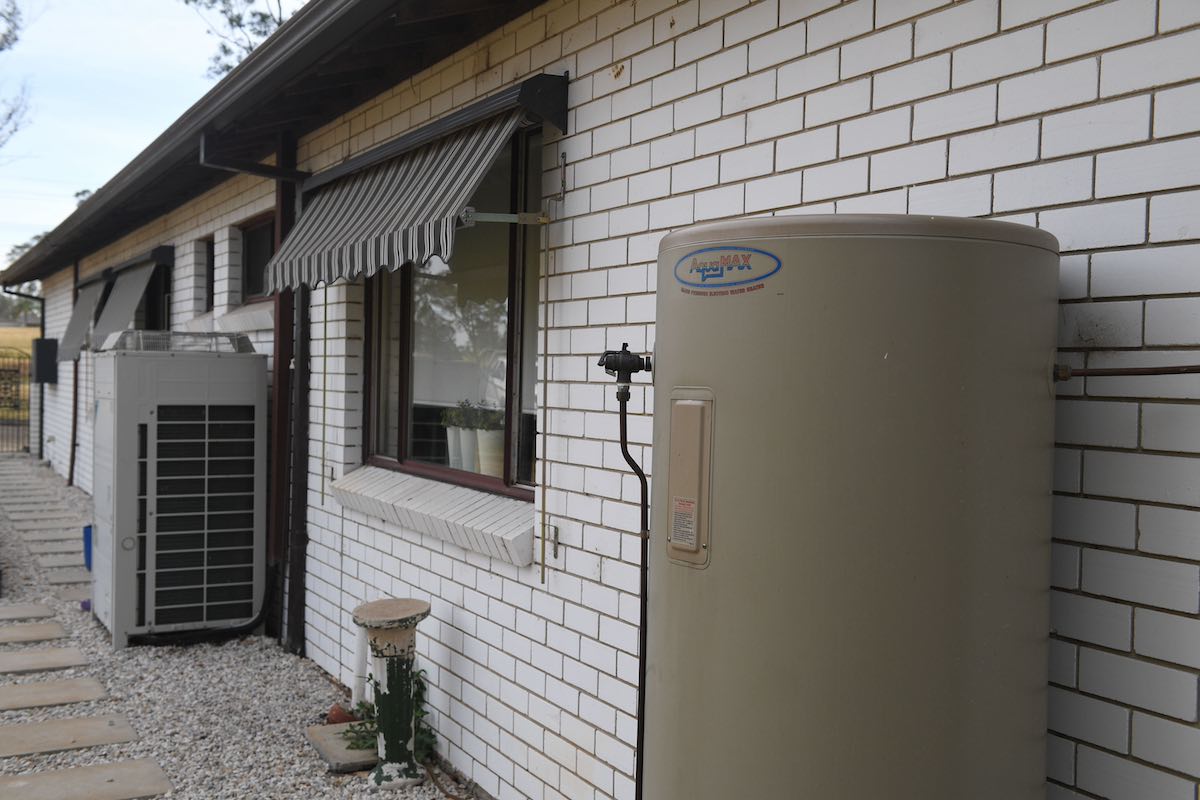
Dynamic and flexible hot water management systems enable water to be heated when renewable energy is available, and could save over $6 billion in household costs.
Energy experts argue we should shift our hot water heating to the middle of the day when there is abundant solar. It will cut emissions, and could save billions of dollars.
Increasing amounts of technology means Australian schools are consuming energy at an ever-increasing rate. Rob Bruer, the co-founder and CEO of Solar Schools, outlines a case for installing solar and batteries in every school.
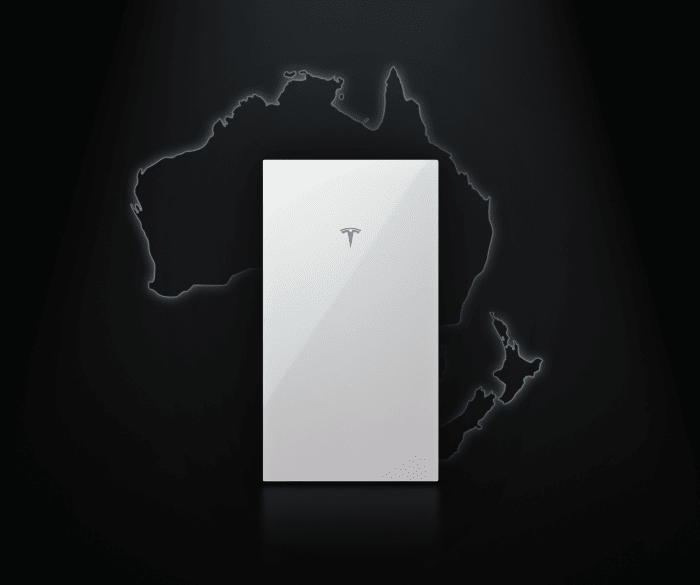
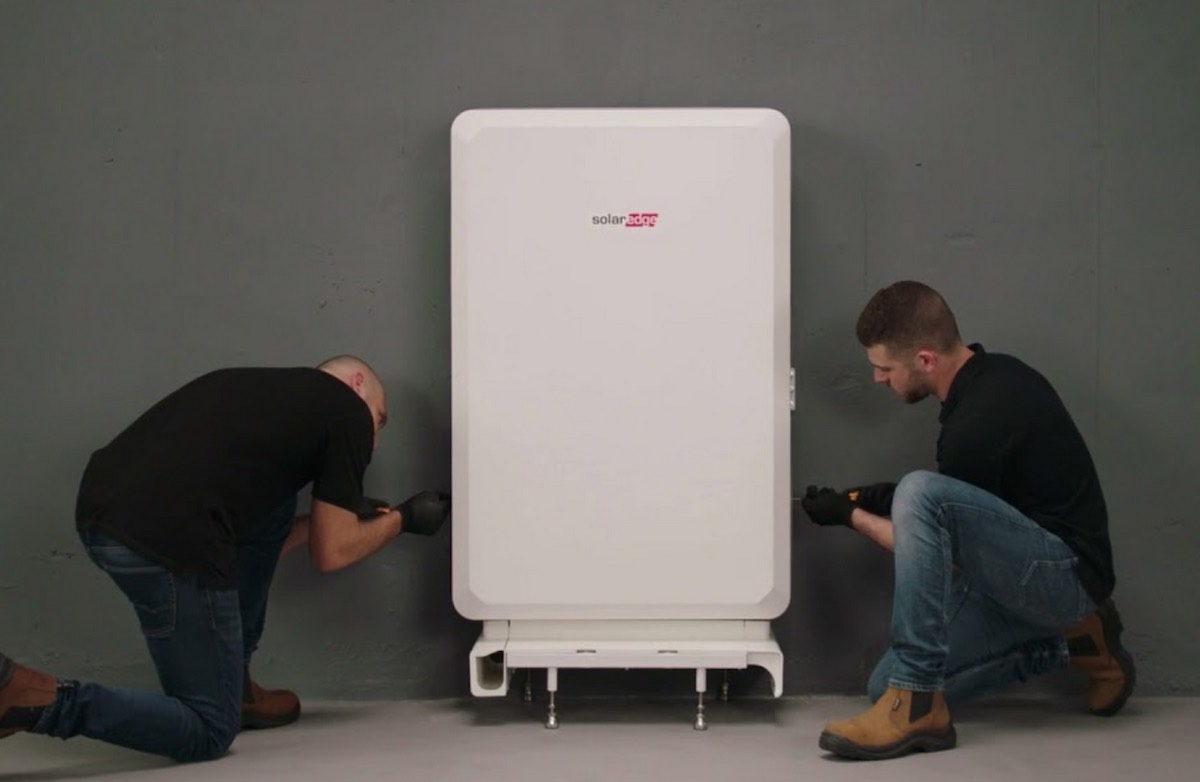
The Powerwall 3 has had its official launch in Australia, bringing fresh insights on its specs and special talents – and how it differs from the Powerwall 2 – and revealing the local price.
First milestones marked in the delivery of a massive wind, solar and battery-based microgrid that will slash the fossil fuel use of a WA gold mine by up to 96%.
Deputy Chair of Zero Emissions Noosa, Mark Purcell, is on a mission to get 50,000 households to electrify and install batteries.
Mark Purcell went electric after watching his car get trashed by giant hailstones. Now he is on a mission to electrify enough houses to get rid of a fossil gas peaking plant.
South Australia LGA recognised for “pioneering” community renewables program that provides rooftop solar and home batteries for no up-front cost.
Group of nine leading solar, inverter and battery manufacturers backs call to keep SRES product listing with the CEC – but with some changes and reforms.
New research finds re-configuring Australia’s off-peak hot water systems to coincide with peak daytime solar production could provide around 4,000GWh of flexible demand a year.
Nectr is offering a “never before seen” feed-in tariff of 50c/kWh solar sent to the grid between 4pm and 9pm, but only as part of its new virtual power plant.
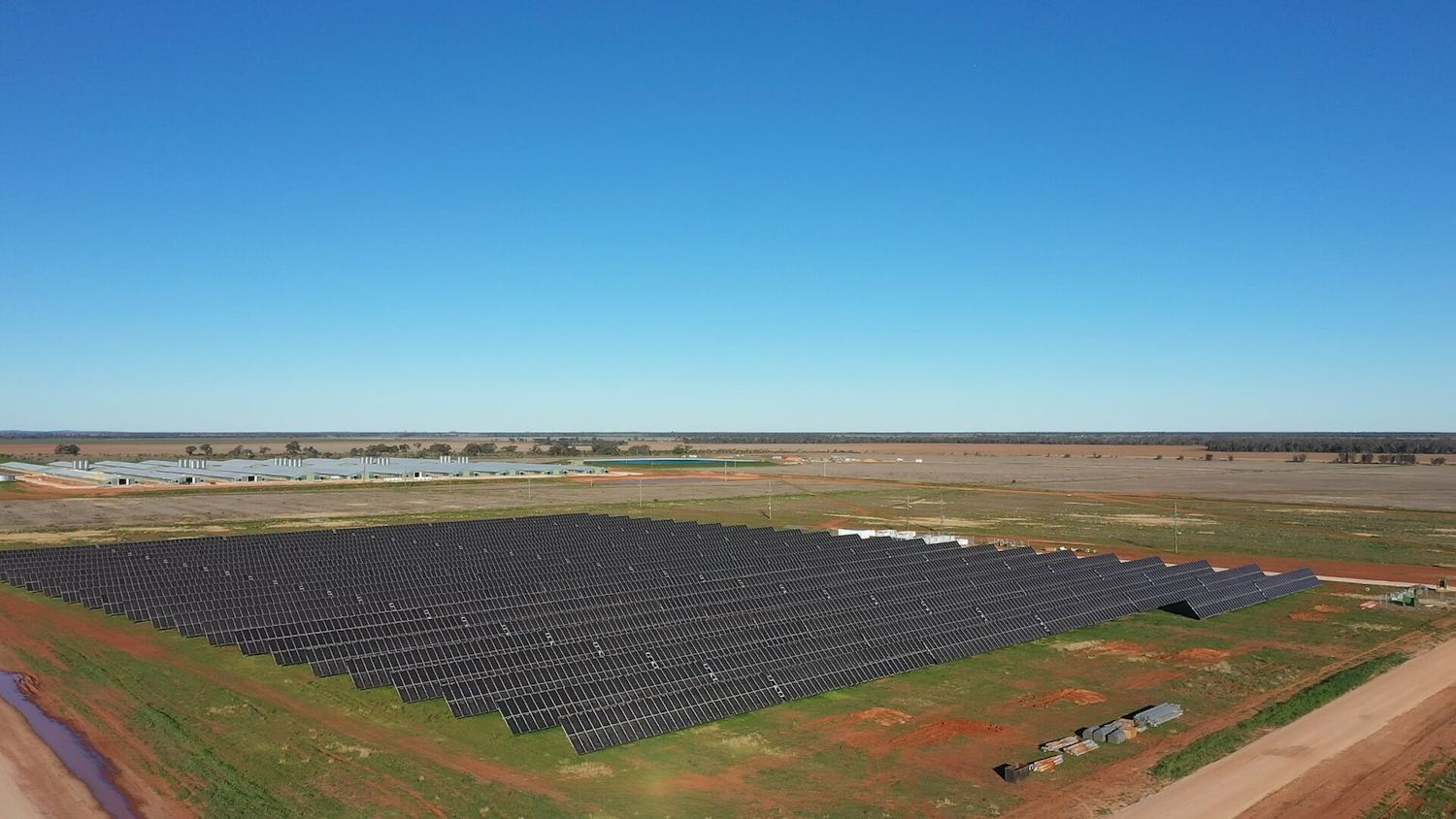
Australia’s largest off-grid chicken farm – and one of biggest off-grid farms of any kind – is being powered completely by on-site solar and battery storage.
Sometimes owned by local communities, renewable energy microgrids are slowly replacing dirty diesel generators.